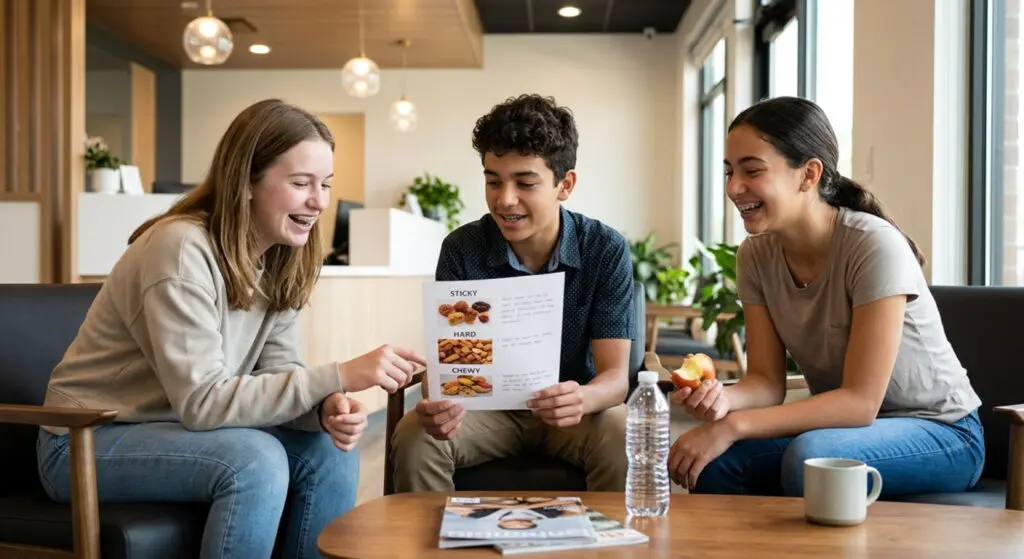

Short answer. Skip three categories of food while wearing braces: sticky (caramel, taffy, gum), hard (popcorn kernels, ice, hard candy, nuts), and chewy (bagels, crusty bread, tough meat). Stick to soft foods for the first 3 to 5 days after braces go on or after a tightening visit. Cut apples, raw vegetables, and corn off the cob before eating. Almost everything else is fair game with small adjustments. The reality is the first week feels like a lot, but families settle into the pattern within 10 days.
Across roughly 5,000 cases treated at Limestone Hills, Dr. Viecilli observes that popcorn kernels, ice chewing, and whole-apple biting account for the majority of broken-bracket visits. Caramel and taffy are second. Sports drinks and tough beef jerky round out the top causes. Families that plan around these five categories rarely see a repair appointment.
The Three Categories to Avoid
Orthodontists organize off-limits foods into three groups. The categories matter more than memorizing a list, because a kid who knows the categories can make smart choices at a friend’s birthday party or in a school cafeteria without checking a printout.
Sticky foods
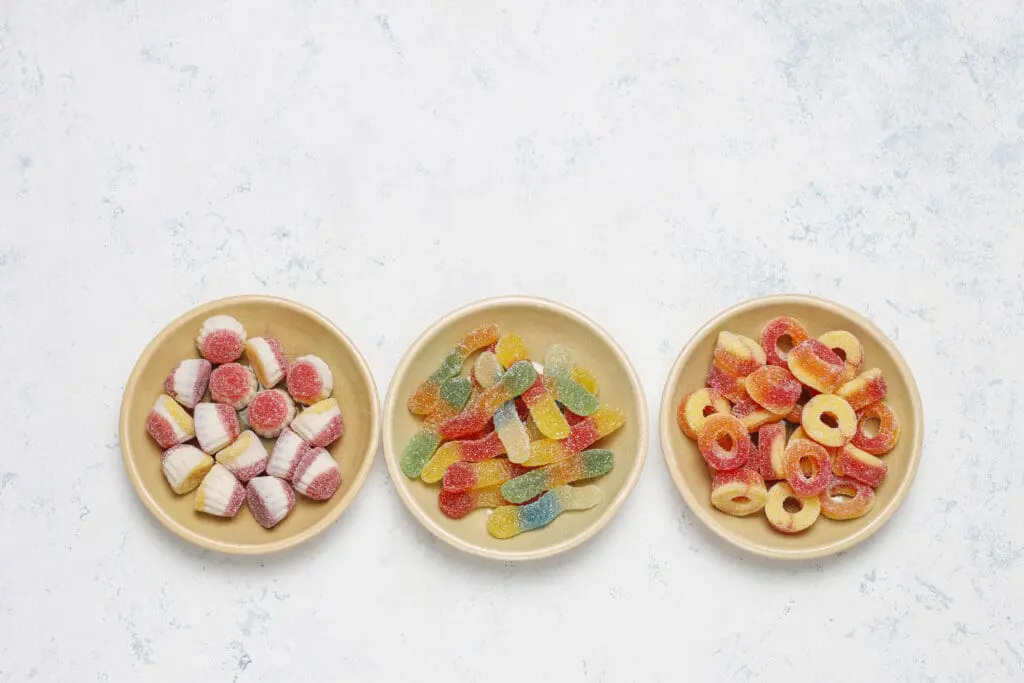
Sticky foods pull brackets off the tooth and trap sugar against the enamel under the bracket. Avoid the following:
- Caramel, taffy, toffee, and chewy candy
- Gum (sugared or sugar-free)
- Gummy bears, gummy worms, and fruit-snack pouches
- Starburst, Tootsie Rolls, licorice, and similar chewy candy
- Sticky dried fruit (raisins are borderline; dried mango and dates are out)
- Marshmallows in candy form (a roasted marshmallow on a soft s’more is usually fine)
Hard foods
Hard foods crack brackets the instant they hit the wrong tooth. The risk is unpredictable, because a bracket that survives one hard bite can fail on the next. Avoid the following:
- Popcorn (kernels are the single most common bracket-breaker)
- Ice (chewing ice is the second most common cause Dr. Viecilli sees)
- Hard candy (Jolly Ranchers, lollipops, mints meant to be crunched)
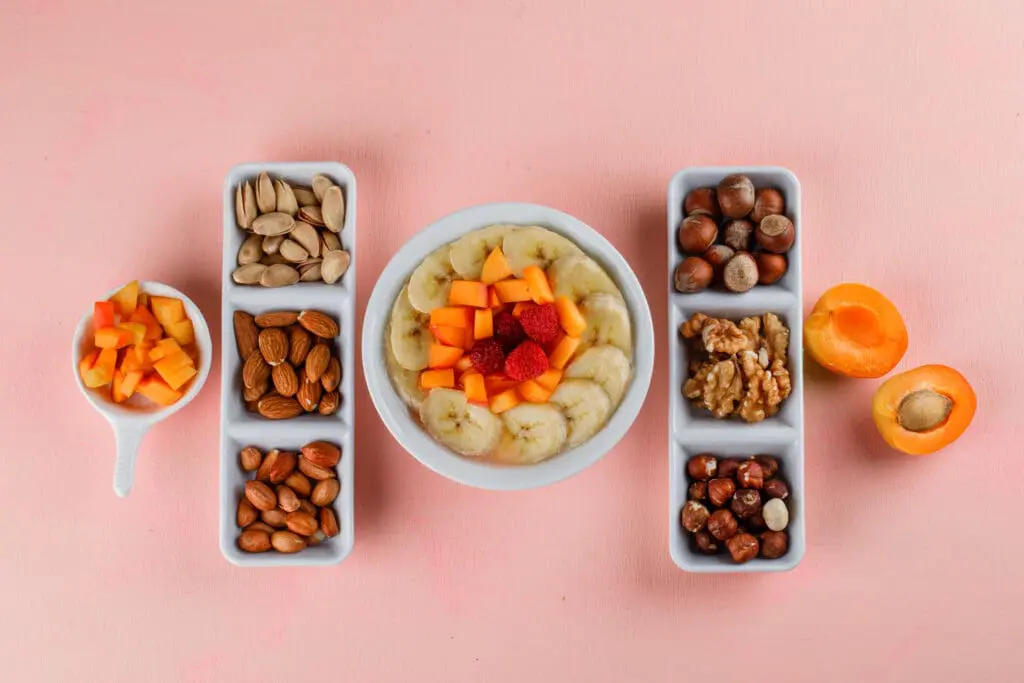
- Whole nuts (almonds, cashews, walnuts)
- Hard pretzels, kettle chips, tortilla chips, taco shells
- Croutons and granola bars with large nut or seed pieces
Chewy and tough foods
Chewy and tough foods bend wires and stress brackets through repeated grinding rather than sudden snaps. Avoid or modify the following:
- Bagels, crusty French bread, hard rolls, pizza crust edges
- Beef jerky and tough cuts of steak
- Chewy meat with gristle or bone fragments
- Hard pizza crust (the soft middle is fine)
The First Week: What Kids Can Actually Eat
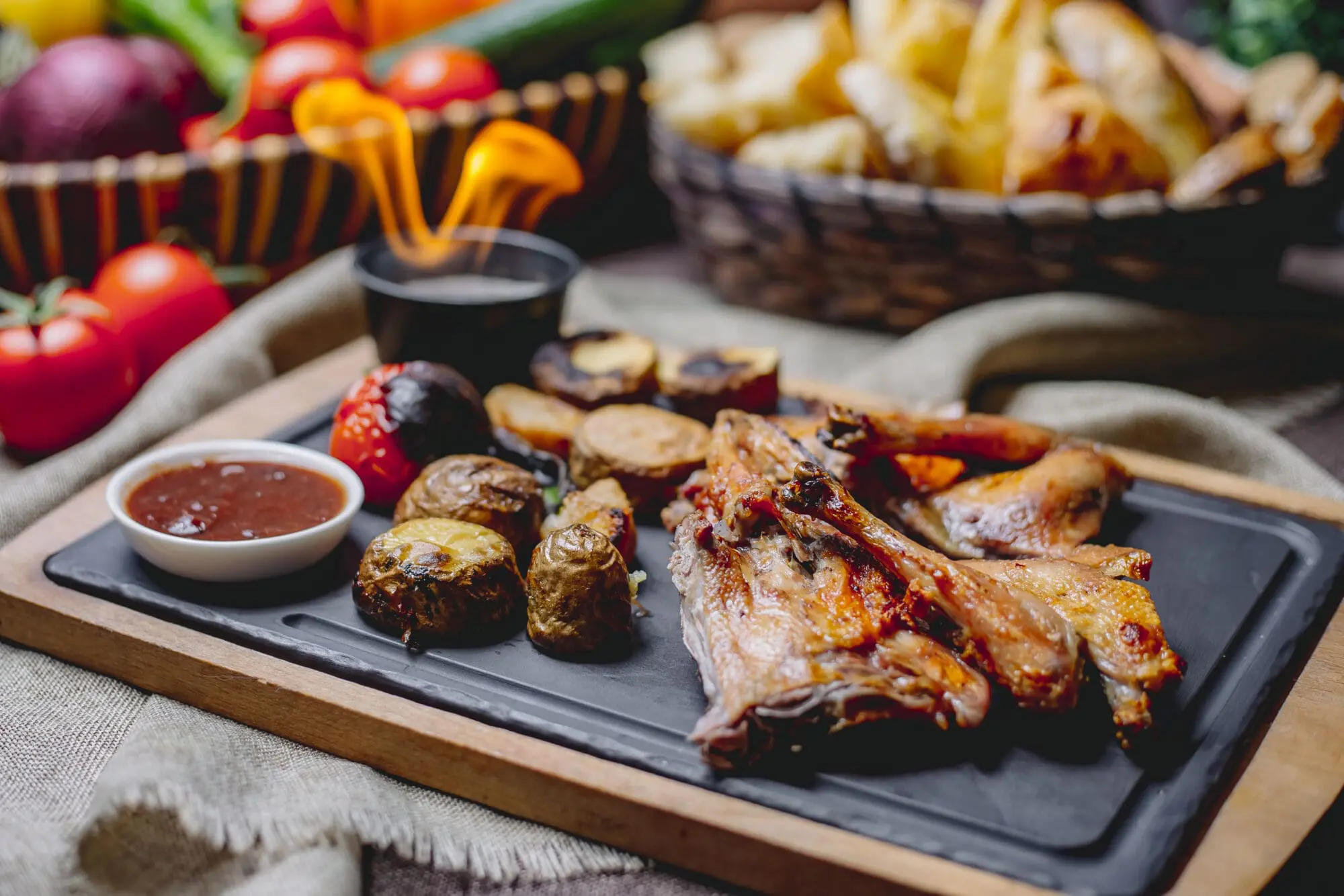
Teeth feel tender for 3 to 5 days after braces go on or after a tightening adjustment. Most kids do not feel like chewing anything firm during that window. Stocking the right soft foods before the appointment makes the first week easier on everyone.
The dependable soft-food list:
- Yogurt, smoothies, milkshakes, and pudding
- Oatmeal, cream of wheat, and grits
- Scrambled eggs, soft omelets, and egg salad
- Mashed potatoes, sweet potatoes, and polenta
- Macaroni and cheese, soft pasta with sauce, and lasagna
- Soups (cooled enough that they do not aggravate sensitivity)
- Tender fish, shredded chicken, slow-cooked beef, and meatballs
- Bananas, ripe peaches, applesauce, and ripe avocado
- Soft cheese, cottage cheese, and ricotta
Cold foods help with soreness. Smoothies and yogurt do double duty as soft texture plus mild numbing. Most kids transition back to a normal soft-textured diet by day 7 to 10.
Hidden-Risk Foods Families Forget
The food categories above cover the obvious offenders. The harder list is the foods that look harmless because they are healthy or familiar. These cause as many bracket repairs as candy does.
The foods to modify, not skip:
- Whole apples. Biting into a whole apple is one of the most common ways to pop a bracket. Slice the apple into wedges or quarters first.
- Raw carrots. Cut into thin coins or matchsticks. Whole carrots and baby carrots are out.
- Corn on the cob. Cut the kernels off the cob with a knife. The biting motion against the cob is the issue.
- Bagels and crusty bread. Tear into bite-sized pieces rather than biting through the crust.
- Pizza crust. Eat the soft middle. The hard outer edge is what cracks brackets.
- Burgers and thick sandwiches. Cut into smaller bites instead of biting straight through.
- Celery and raw broccoli. Chop into small pieces and chew with the back teeth, not the front.
The pattern: anything that requires a big front-tooth bite is risky. Front teeth carry braces that are easier to dislodge than back-tooth brackets. The fix is mechanical, not dietary. Cut, slice, chop, and chew with the back teeth.
Special Occasions: Movies, Parties, and School Lunches
Real life is the test. Most families do well with a short mental list for the situations that come up most often.
Movies. Skip the popcorn. Bring soft candy alternatives like ice cream cups or smooth chocolate. M&M’s are borderline (the shell is hard but small); plain chocolate bars without nuts or caramel are safer.
Birthday parties. Cake and ice cream are fine. Hard candy in goody bags goes home for siblings or the candy jar. Chewy candy is the main risk at parties.
School lunches. Sandwiches cut into quarters, soft fruit, yogurt, string cheese, and pasta salads all work. Avoid whole apples, hard granola bars, and crunchy chips. A travel-size toothbrush in the backpack helps after lunch.
Sports and concessions. Smoothies and water beat sports drinks (the sugar and acid sit on brackets longer than parents realize). Pretzels, hot-dog buns, and hard rolls are the concession-stand traps.
Halloween. Most families let kids trade hard and sticky candy for chocolate or money. The candy trade has become a small ritual at Limestone Hills.
What to Do When a Bracket Pops Off
Broken brackets happen even in careful families. The protocol is simple and the repair is included in the treatment fee at Limestone Hills, so families never face a surprise charge for a popped bracket.
The steps when a bracket comes loose:
- Stay calm. A loose bracket is not an emergency and does not delay treatment if handled within a few days.
- Save the bracket if it came off completely. Put it in a small bag or container and bring it to the next visit.
- Leave the wire alone if it is still in place. The wire often holds a loose bracket against the tooth until the next adjustment.
- Use orthodontic wax on any sharp edge that is irritating the lip or cheek. Wax is provided at the new-braces appointment and is sold at any pharmacy.
- Call the practice. Most repairs slot into a normal adjustment visit, so the family does not need a special appointment unless the wire is poking and uncomfortable.
True orthodontic emergencies (wires poking into the cheek that cannot be tucked, severe pain, swelling) are different. For those, Limestone Hills sees patients same-day or next-day. The orthodontic emergency page covers what counts as urgent and what can wait.
Keeping Teeth Clean Between Meals
Food choice is half the equation. The other half is what happens after the meal. Brackets and wires trap small food particles in places a regular toothbrush cannot reach, and trapped sugar plus trapped acid produces the white spots families spot in the bathroom mirror two months in.
The simplest version of the protocol is: brush after every meal, even at school. A travel toothbrush in the backpack or locker handles lunch without drama. For snacks between meals, a water swish reaches the easy debris and buys time until the next brushing session. Sugar-free gum is safe with braces and helps clear food particles between brushings, though it should never replace brushing.
Floss with a floss threader or a water flosser every night. Floss threaders are cheap, take 60 seconds per arch once a child learns the motion, and reach the contacts between brackets that regular flossing skips. A water flosser is faster and easier on the gums, especially for teens with mild crowding. Either tool prevents the gum inflammation that delays treatment by 2 to 3 months when ignored.
Interdental brushes (sometimes called proxabrushes) are a third option. They look like tiny pipe cleaners, slide between brackets, and remove the food a regular toothbrush misses around the bracket wings. Most families keep one in the bathroom drawer for the after-dinner cleanup and another at the kitchen sink for quick lunch cleanups when school brushing is not realistic.
Daily Life with Braces for Austin Hill Country Families
Limestone Hills Orthodontics treats families from across the Austin metro and Hill Country. Kids and teens at the practice come from Lakeway, Cedar Park, Round Rock, Bee Cave, Westlake, Steiner Ranch, and the Northwest Hills neighborhoods. The food rules above hold the same way in every Austin neighborhood and at every Texas BBQ or Tex-Mex meal. A pulled-pork plate is brace-safe; the bone-in ribs are not. Migas and breakfast tacos with soft tortillas are fine; the crispy hard-shell taco is the food category to skip.
For Austin families balancing school lunches, weekend sports practice, swim-team carb-loading, and the Texas summer cookout schedule, Dr. Viecilli’s team walks every new patient through a printed “what we eat and what we skip” sheet at the post-banding visit. The sheet is family-tested and reflects real Austin-area meal patterns. Families who lose the sheet can ask for a replacement at any adjustment visit or request one through the front desk.
Common Questions About Braces and Food
What foods can my child eat the first week with braces?
Soft foods only for the first 3 to 5 days while teeth are tender. Yogurt, scrambled eggs, oatmeal, smoothies, mashed potatoes, macaroni and cheese, soft pasta, soup, and tender fish or shredded chicken all work. Most kids transition back to normal soft-textured meals by day 7 to 10.
Can you eat pizza with braces?
Soft-crust pizza is fine. Thin crispy crust and the hard outer edge are the parts that crack brackets. Most families let kids eat the soft center and skip the crust, or quarter the slice and chew with the back teeth.
Can you eat popcorn with braces?
No. Popcorn kernels and unpopped hulls are the most common cause of broken brackets and trapped debris in Dr. Viecilli’s practice. Movie popcorn is an exception families specifically need to plan around. Hull-less popcorn is also still discouraged because the husks lodge under brackets.
What happens if a bracket pops off?
Stay calm. Save the bracket if it has come off completely, leave the wire alone if it is still in place, and call the practice. Limestone Hills includes broken-bracket repairs in the treatment fee, so there is no surprise charge. Most repairs slot into a normal adjustment visit.
Are there foods that look safe but actually cause damage?
Yes. Whole apples, raw carrots, corn on the cob, hard bagels, and crusty bread are the foods families most often forget. They are healthy and feel safe but require biting force that can pop a bracket. Cutting them into small pieces and chewing with the back teeth solves the problem.
Sources. American Association of Orthodontists, “What Can I Eat with Braces? A Comprehensive Guide” (aaoinfo.org/blog/what-can-i-eat-with-braces). Dental Associates, “Foods to Avoid with Braces” (dentalassociates.com/dental-topics/foods-avoid-braces). Clinical observations on broken-bracket frequency cited from Dr. Rodrigo Viecilli’s practice records across approximately 5,000 cases treated at Limestone Hills Orthodontics, Austin, Texas. Reviewed by Dr. Rodrigo Viecilli, DDS, PhD in Orthodontic Biomechanics (Indiana University), Diplomate of the American Board of Orthodontics.