
Short answer. For the first 3 days after braces go on, kids can eat soft foods that require no chewing pressure: yogurt, smoothies, scrambled eggs, oatmeal, mashed potatoes, soft pasta, soup, mac and cheese, ripe banana, and ice cream. Days 4 to 7 add soft-cooked chicken, fish, soft sandwiches cut into quarters, and most cooked vegetables. By week 2, most normal foods are back on the menu with two rules: hard, sticky, and chewy foods stay off permanently, and crunchy foods like apples and carrots get cut into small pieces first. The reality is the first week feels restrictive, but most families settle into a normal-feeling rotation within 10 days.
Across roughly 5,000 cases treated at Limestone Hills Orthodontics, Dr. Viecilli’s clinical observation is that families who plan a 3-day soft-food rotation before the braces appointment skip the rough first week almost entirely. The families who struggle are the ones who try to eat normally on day 1 and discover at dinner that chewing hurts. A grocery run for yogurt, eggs, oatmeal, pasta, and ripe bananas the day before banding is the single biggest predictor of an easy first week. The kids’ food preferences matter more than the AAO list: a child who hates yogurt will skip protein altogether unless smoothies or scrambled eggs are stocked instead.
What Can You Eat with Braces the First 3 Days
Teeth feel tender for 24 to 72 hours after braces are placed. The American Association of Orthodontists recommends soft foods only during this window. Most kids do not feel like chewing anything firm, and cold foods help with soreness because cold reduces inflammation.
The dependable day 1 to day 3 list, organized by meal:
- Breakfast. Yogurt, smoothies, scrambled eggs, soft omelets, oatmeal, cream of wheat, grits, pancakes (no nuts or hard fruit), and ripe banana.
- Lunch. Mac and cheese, soft pasta with marinara, tomato soup, chicken noodle soup, mashed potatoes, ramen with soft noodles, and pasta salad with soft pasta.
- Dinner. Soft lasagna, ricotta-stuffed shells, polenta, risotto, mashed sweet potatoes, soft fish (tilapia, salmon, cod), and slow-cooked shredded chicken in sauce.
- Snacks and desserts. Yogurt cups, applesauce pouches, pudding, jello, ice cream, milkshakes, smoothies, cottage cheese, soft cheese, and ripe avocado.
Cold foods do double duty. A smoothie or yogurt cup delivers soft texture plus mild numbing on the tender areas. Most Austin families stock a few extra yogurt cups and a tub of ice cream the week of the banding appointment. The protein matters more than parents expect. Kids who skip protein the first two days often feel sluggish by day 3, so smoothies blended with Greek yogurt or peanut butter, or scrambled eggs at breakfast, prevent the slump.
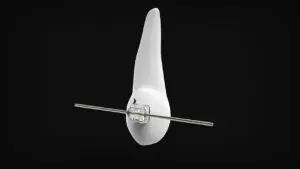
Week-by-Week Food Reintroduction
The food restrictions are not permanent for most categories. Tenderness peaks at 24 to 48 hours, eases steadily after that, and most patients return to normal eating by day 7 to 10. The reintroduction schedule below is the protocol Dr. Viecilli reviews with every new patient at the post-banding visit.
Days 1 to 3. Softest foods only. Anything that requires firm biting pressure stays off the menu. Yogurt, eggs, pasta, mac and cheese, oatmeal, soup, mashed potatoes, ripe banana, ice cream. Cold foods help with soreness.
Days 4 to 7. Add soft-cooked proteins (shredded chicken, slow-cooked beef, tender fish, meatballs, soft tofu, refried beans). Add soft sandwiches cut into quarters (no crusty bread). Add soft-cooked vegetables (steamed broccoli, sauteed zucchini, roasted sweet potato, mashed cauliflower). Soft cheese, hummus, and soft fruit (peaches, melon, grapes cut in half) are all fine.
Week 2 and beyond. Most normal foods return. The permanent rules apply: hard foods (ice, popcorn kernels, hard candy, whole nuts), sticky foods (caramel, taffy, gum, gummy candy), and chewy foods (beef jerky, bagels, crusty bread) stay off the menu for the entire treatment. Crunchy-but-healthy foods (whole apples, raw carrots, corn on the cob) get modified: slice the apple into wedges, cut carrots into thin coins, cut kernels off the cob. The mechanics are the same as before braces, only the bite size changes.
After each routine adjustment visit, the same pattern repeats in a milder form. Most adjustments produce two or three days of mild tenderness rather than a full week, so the soft-food kit stays useful throughout treatment.
Brace-Friendly Meal Categories Families Actually Eat
The AAO list of safe foods covers the basics. The harder question is what kids will actually eat for the 18 to 24 months of treatment. The meals below are the rotations that Austin families at Limestone Hills report working week after week.
Breakfast wins. Scrambled eggs, soft omelets, oatmeal with banana, smoothies (yogurt plus fruit plus peanut butter), pancakes without nuts or hard fruit, soft French toast cut into small pieces, breakfast tacos with soft tortillas and scrambled eggs, and yogurt parfaits with granola swapped out for soft fruit. Cold cereal stays brace-safe if the cereal itself is not crunchy (rice cereals, oat-based puffs); avoid hard granolas and toasted clusters.
Lunch wins. Mac and cheese, soft pasta salads, tomato soup with grilled-cheese cut into quarters, sandwiches on soft bread cut into four small squares (turkey and cheese, chicken salad, egg salad, soft ham), wraps with soft tortillas cut into bite-size pinwheels, mashed potato bowls, and quesadillas with soft cheese on soft tortillas. Thermos meals cover school lunches: pasta with marinara, mac and cheese, chicken and rice soup, and chili stay warm until lunch period.
Dinner wins. Slow-cooker pulled pork tacos on soft tortillas, slow-cooker shredded chicken with rice, soft baked fish with mashed potato, soft lasagna and stuffed shells, meatballs in marinara, casseroles (chicken and rice, baked ziti, shepherd’s pie), and one-pot pasta dishes. Slow-cooker and pressure-cooker meals are reliably brace-safe because the protein ends up shreddable rather than fibrous.
Snack wins. Yogurt cups, applesauce pouches, soft cheese cubes, cottage cheese, hummus with soft pita pieces (skip pita chips), banana with peanut butter, smoothies, pudding, and soft cheese on the side of soft crackers cut small. The protein-and-soft-carb pairing is the brace-friendly equivalent of the apple-and-cheese snack that gets harder during treatment.
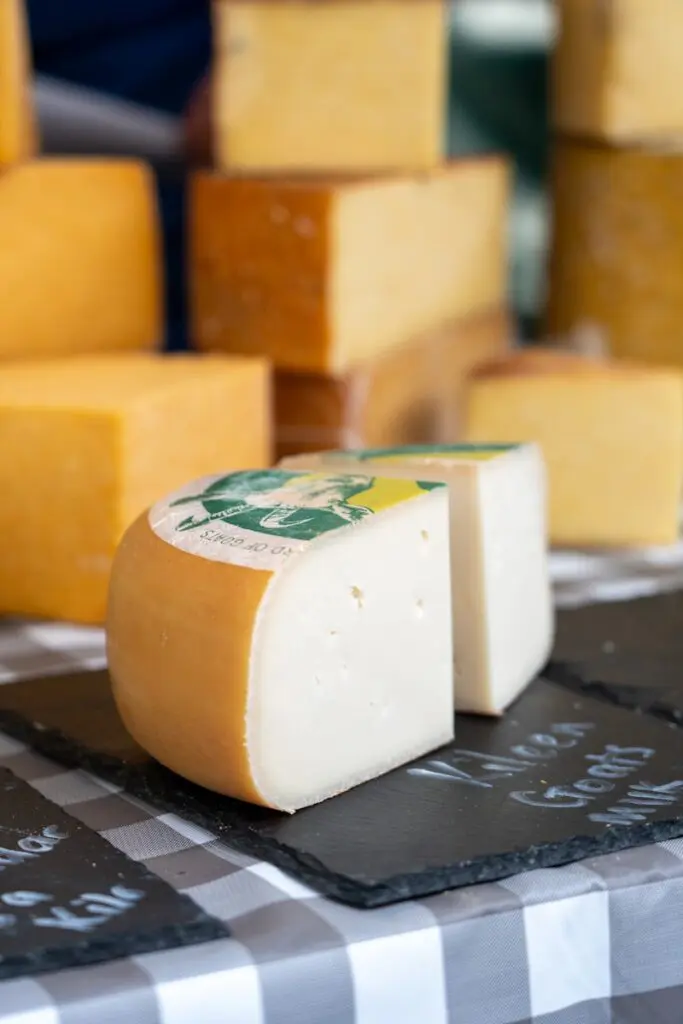
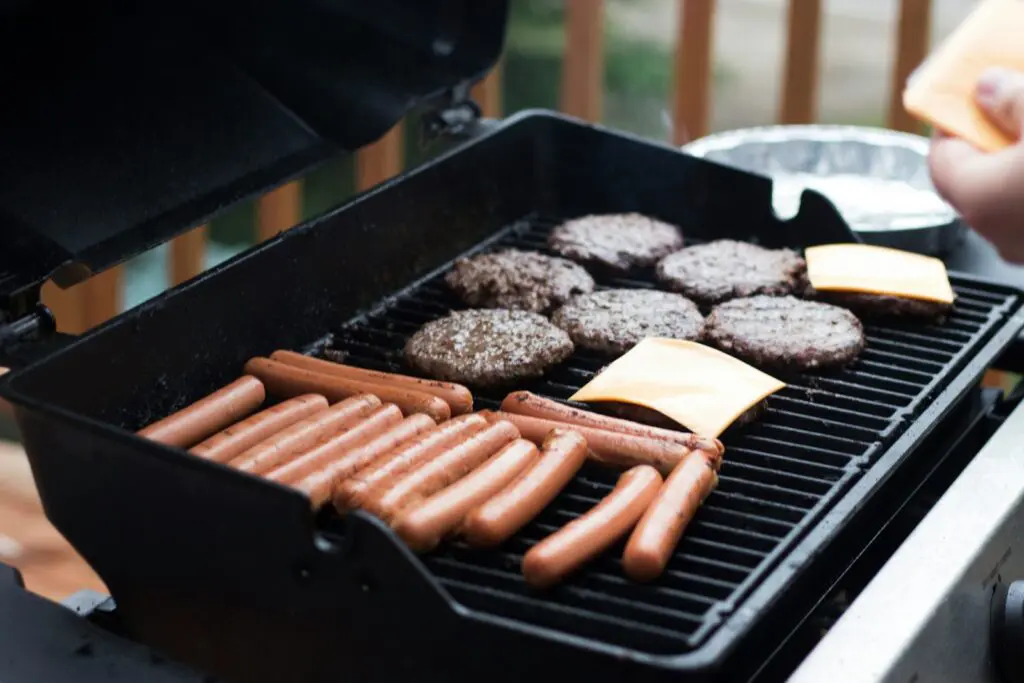
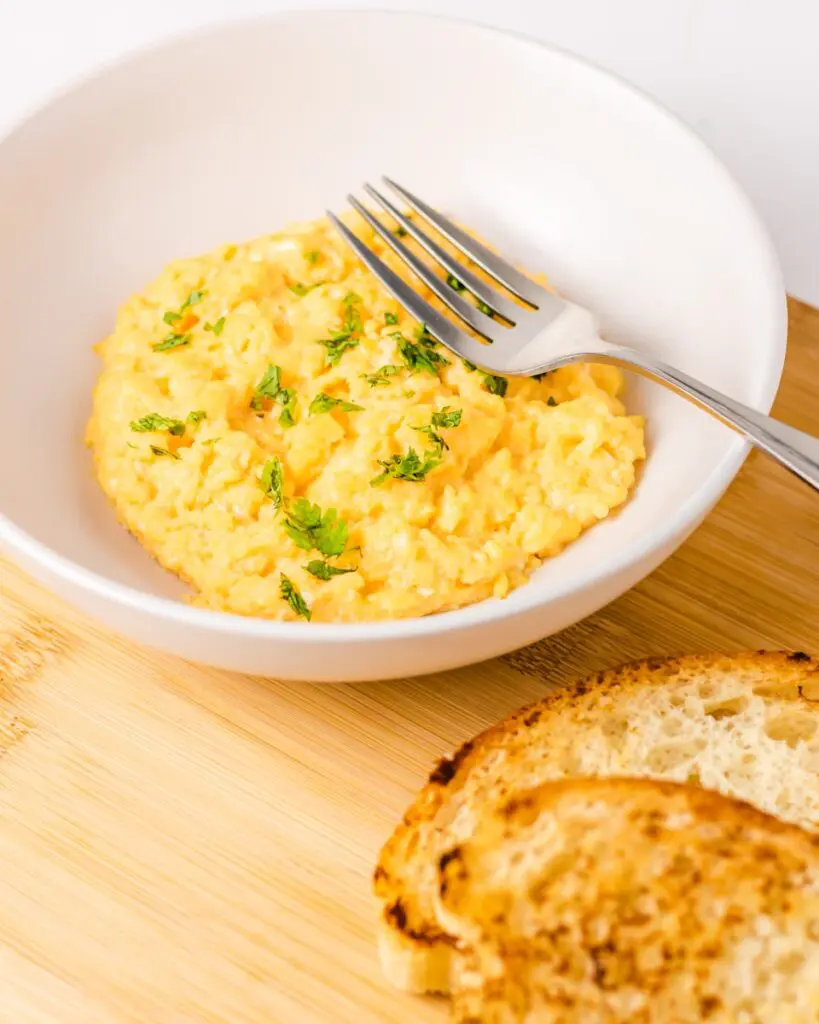
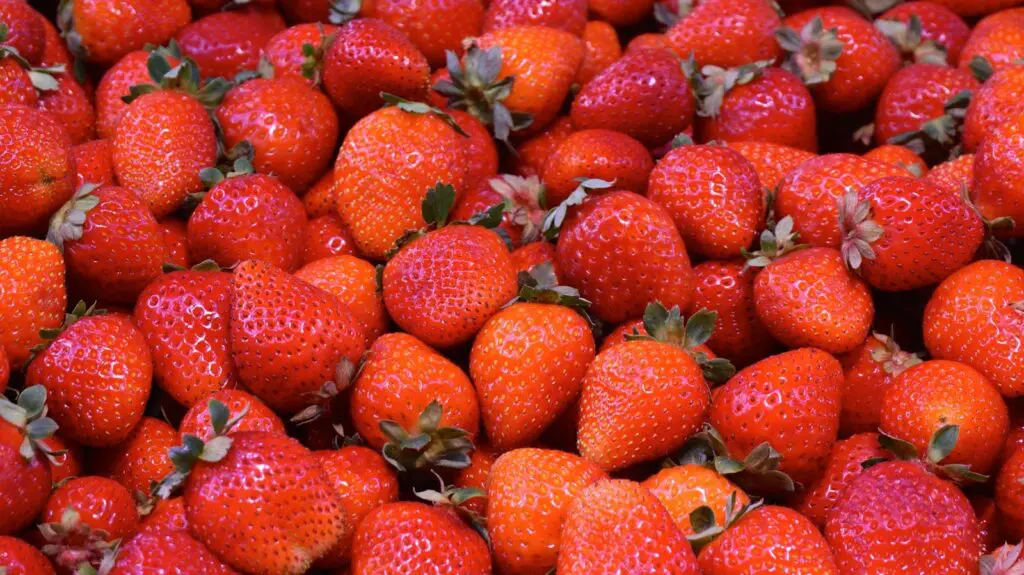
A photo collage of brace-friendly foods.
Texas Meal Patterns That Work at LH Patient Tables
Austin family eating is its own subculture, and the brace-friendly versions of the local favorites cover most weekly rotations. The Limestone Hills patient base spans Lakeway, Cedar Park, Round Rock, Bee Cave, Westlake, Steiner Ranch, and the Northwest Hills neighborhoods, and the food guidance is consistent across the metro.
Tex-Mex. Migas, breakfast tacos with soft tortillas, soft beef and chicken tacos, enchiladas with shredded chicken or beef, refried beans, queso, soft fajitas with chopped meat, rice, soft tamales, and chiles rellenos (no crunchy coating) are all brace-safe. The swaps: hard-shell tacos out, soft tortillas in. Tortilla chips out, soft tortillas dipped in queso in. Crunchy taco salad shells out, soft taco-bowl tortillas warmed on a comal in.
Texas BBQ. Pulled pork on a soft bun cut into quarters, brisket shredded fine and chopped, smoked chicken pulled into bite-size pieces, soft barbecue beans, mac and cheese, and creamed corn off the cob all work. Skip bone-in ribs (the bone biting is the issue), beef jerky, hard-crusted brisket bark eaten on its own, and corn on the cob. Sausage links are borderline; thinly sliced soft sausage on the side of a plate is fine, but biting through a whole link is risky on the front brackets.
Texas summer cookout. Burgers cut into halves or quarters and chewed with the back teeth, soft buns instead of crusty kaiser rolls, hot dogs cut into bite-sized rounds, watermelon (the iconic Texas summer fruit, completely brace-safe), peach cobbler, ice cream, and soft-cooked beans. Skip whole apples, hard pretzels at backyard parties, and the corn-on-the-cob route. Cut the corn kernels off the cob with a knife at the side of the plate; kids who learn the move keep eating Texas summer staples without a bracket failure.
Cooking Tools That Make Any Food Brace-Friendly
Most foods become brace-safe with a small change in preparation. The four kitchen tools below carry most families through the first month and through any adjustment visit during the rest of treatment.
Food processor. Chops apples into bite-sized pieces in 5 seconds, dices raw carrots into thin coins, shreds hard cheeses into soft strands, and produces the chopped salads that let kids eat raw vegetables without front-tooth biting. A small chopper handles most of the work; the full-size food processor is useful for batch prep on Sundays.
Blender. The first-week workhorse. Smoothies, soups, sauces, blended overnight oats, and pureed-vegetable additions to pasta sauces all extend the soft-food menu without sacrificing nutrition. A standard blender suffices; the high-speed variants are useful for protein smoothies that include leafy greens.
Slow cooker or pressure cooker. Shredded chicken, pulled pork, beef stew, soft beans, and tender meatballs come out brace-safe by design. Most slow-cooker recipes produce dinner plus 2 days of leftovers, which covers school lunches for the rest of the week. Pressure-cooker rice and grains end up softer than stovetop preparations.
Kitchen shears. The underrated tool. Cutting a sandwich into four small squares takes 3 seconds with shears, faster than a knife. Wraps, pizza slices, soft tortillas, and even soft chicken cutlets go through shears quickly at the dinner table or in a school-lunch packing routine. Most Austin families that already own shears use them more after braces than before.
School Lunch Ideas for Kids with Braces
The school cafeteria is the test most parents worry about. The brace-friendly lunchbox follows three rules: soft texture, bite-sized portions, and a travel toothbrush.
The reliable school lunch rotations:
- Thermos meals. Mac and cheese, pasta with marinara, chicken and rice soup, tomato soup, chili, and rice bowls stay warm until lunch and require no chewing pressure. A wide-mouth thermos works better than a narrow one for spooning.
- Bento-style boxes. Yogurt cup, soft cheese cubes, soft fruit (grapes cut in half, melon, banana), soft pita pieces with hummus, and a small portion of soft pasta salad. Visually appealing and easy to pack.
- Wraps cut small. Soft tortilla pinwheels (turkey and cream cheese, ham and cheese, peanut butter and banana) sliced into 1-inch rounds. The soft tortilla holds together better than sandwich bread in a lunchbox.
- Smoothie pouches. Yogurt-based smoothies in reusable squeeze pouches travel well in an insulated lunch bag with an ice pack. Useful for the first 3 days after a banding or adjustment when chewing feels uncomfortable at lunch.
- Sandwich quarters. Soft-bread sandwiches cut into four small squares stay brace-safe and pack-friendly. Skip crusty rolls, bagels, and ciabatta.
A travel toothbrush in the backpack handles after-lunch cleaning at school. A 30-second brush after lunch prevents the most common cause of white spots on enamel during treatment, which is sugar and acid sitting on the brackets through the afternoon. Most Austin elementary, middle, and high schools allow students to use the restroom for a quick brush after lunch; a small travel-size toothbrush and a sample-size toothpaste tube fits in any lunchbox.
Nutrition Notes: Don’t Lose Protein and Calcium in Week 1
The most common nutrition gap in the first week with braces is protein. Kids who shift to a smoothie-and-yogurt diet sometimes drop their protein intake by half compared to a normal eating week. The fix is two soft protein servings per day, planned in advance.
Soft protein sources. Scrambled eggs (one of the most efficient brace-friendly proteins), Greek yogurt (twice the protein of regular yogurt), cottage cheese, smooth peanut butter, hummus, refried beans, soft tofu, slow-cooked shredded chicken, flaky fish (salmon, tilapia, cod), and protein smoothies made with Greek yogurt plus a banana plus a spoonful of peanut butter. Two of these per day keeps protein in range.
Calcium without crunch. Milk, yogurt, cottage cheese, soft cheese (mozzarella, ricotta, cream cheese), and soft tofu cover calcium without requiring hard chewing. Kids who drink milk with most meals stay above the recommended calcium intake throughout the first week without any extra planning.
Vitamin C from soft fruit. Strawberries (cut), ripe peaches, ripe pears, melon, watermelon, kiwi, soft oranges (segments only, no membrane), mango (cut into small pieces), and soft pineapple cover the vitamin C base without requiring hard biting. Frozen-fruit smoothies are an easy weekday option.
Iron and energy. Soft-cooked beans, lentils in soups, slow-cooked beef in stew form, soft eggs, and fortified oatmeal cover iron without crunchy texture. Kids who feel unusually tired in the first week with braces often need an iron-rich soft food added back to the rotation, not more rest.
The candid version is the first week feels restrictive, but the families who plan two soft proteins per day and a calcium-soft-cheese pairing at each meal end the week with normal energy and a head start on the rest of treatment.
Brace-Friendly Eating for Austin and Hill Country Families
Limestone Hills Orthodontics treats families from across the Austin metro and Hill Country. Kids and teens at the practice come from Lakeway, Cedar Park, Round Rock, Bee Cave, Westlake, Steiner Ranch, Anderson Mill, Davenport Ranch, Four Points, Jester Estates, River Place, Tarrytown, Northwest Hills, and Cat Mountain. The food protocol above works for every family, in every Austin neighborhood, regardless of which schools the kids attend or how far the drive is from the practice. Texas family meal patterns translate cleanly into the brace-friendly framework: soft tortillas replace hard shells, pulled pork replaces ribs, watermelon replaces whole apples at the cookout, and the slow cooker carries most weeknight dinners.
Dr. Viecilli’s team walks every new patient through a printed soft-food protocol at the post-banding visit, with copies for the kitchen and the backpack. The sheet reflects real Austin-area meal patterns rather than the generic soft-food list, and the front desk replaces lost copies at any adjustment visit. Families who want to plan ahead can stock the kitchen the day before the banding appointment with the day 1 to day 3 essentials: yogurt, eggs, oatmeal, soft pasta, mac and cheese, ripe bananas, ice cream, and a tub of mashed potatoes. The grocery run takes 20 minutes and removes the most common source of first-week stress.
Common Questions About Eating with Braces
Can my child eat pizza with braces?
Yes, soft-crust pizza is fine for kids with braces. The soft center of any pizza slice is brace-safe, including New York-style and pan pizza. Skip the hard outer crust edge, which is the part that cracks brackets. Most families quarter the slice and let the child chew with the back teeth. Hand-tossed and Detroit-style pizzas tend to be softer than thin-crispy. For the first three days after braces are placed, swap pizza for pasta or mac and cheese; the chewing pressure is gentler on tender teeth.
What about sandwiches and burgers with braces?
Both work with one adjustment: cut into smaller bites instead of biting straight through. A sandwich quartered into four small squares is brace-safe. A burger cut into halves or quarters and chewed with the back teeth is fine. Soft bread (sandwich bread, brioche buns, soft tortilla wraps) is better than crusty bread or hard rolls. Avoid bagels for the first month; the dense chew dislodges new brackets.
Can my child eat Mexican food with braces?
Yes. Most Tex-Mex is brace-safe with the right swaps. Soft tortillas, soft tacos, enchiladas, migas, breakfast tacos, refried beans, queso, soft fajita meat, and rice all work. Skip hard-shell tacos, tortilla chips, and any dish with whole nuts or hard corn. For Austin families used to weekly taco nights, the recipe rotation barely changes after braces go on. Soft tacos replace crispy ones; everything else stays.
What soft proteins are best the first week?
Scrambled eggs, soft tofu, yogurt, cottage cheese, flaky fish (salmon, tilapia), slow-cooked shredded chicken, slow-cooked pulled pork, smooth peanut butter, hummus, and refried beans are the dependable options. Protein-packed smoothies (Greek yogurt plus banana plus peanut butter) cover the first day or two when chewing feels unappealing. Kids who avoid protein the first week often feel more tired than they expect; planning two soft protein servings per day prevents the slump.
How long until normal eating resumes after braces go on?
Most patients return to most normal foods by day 7 to 10. The first 3 days are the softest-food window while teeth are tender. Days 4 to 7 allow soft-cooked chicken, fish, soft sandwiches, and most vegetables. Week 2 and beyond, almost everything is back on the menu with two adjustments: hard, sticky, and chewy foods stay off the list permanently, and naturally crunchy foods like apples, carrots, and corn get cut into small pieces before eating.
Sources. American Association of Orthodontists, “What Can I Eat with Braces? A Comprehensive Guide” (aaoinfo.org/blog/what-can-i-eat-with-braces). American Dental Association, “Orthodontics: For Patients” patient resource library (ada.org/resources/ada-library). Clinical observations on first-week food adoption cited from Dr. Rodrigo Viecilli’s practice records across approximately 5,000 cases treated at Limestone Hills Orthodontics, Austin, Texas. Reviewed by Dr. Rodrigo Viecilli, DDS, PhD in Orthodontic Biomechanics (Indiana University), Diplomate of the American Board of Orthodontics.