
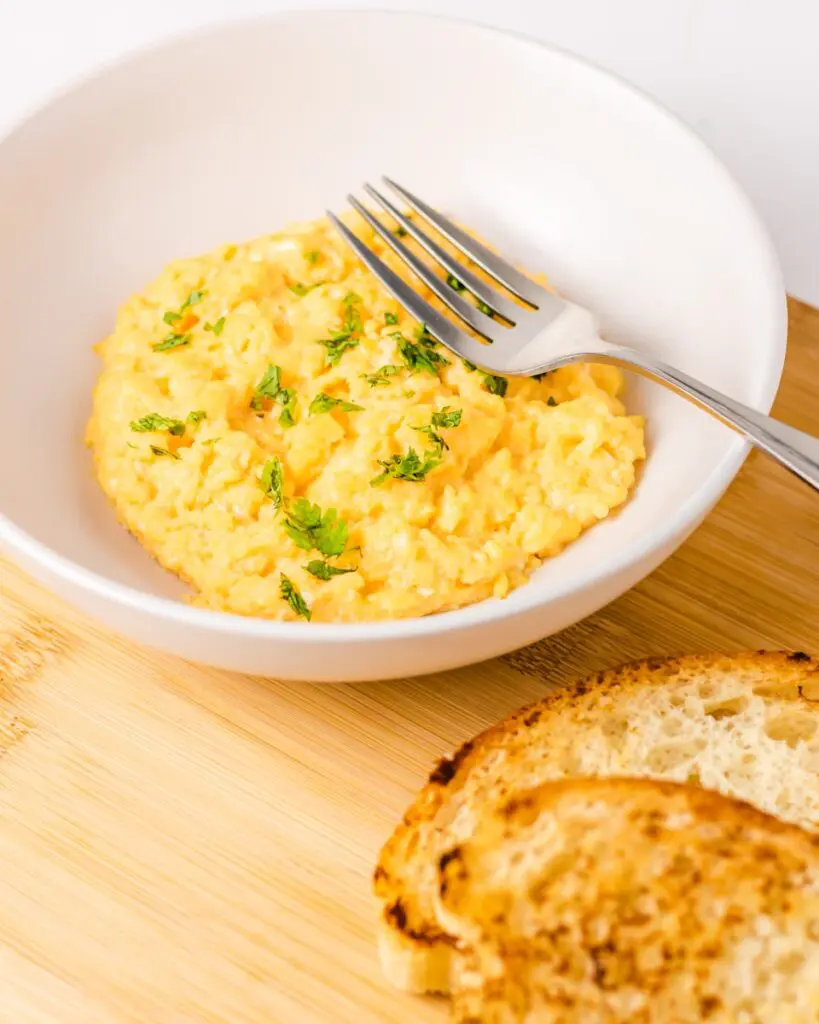
For the first week with new braces, stick to soft and cold foods: smoothies, yogurt, blended soups, scrambled eggs, mashed potatoes, soft pasta, and ripe soft fruit. Soreness peaks in the first one to three days and eases by day four to seven, so the diet can move from mostly liquids on day one to gently firmer soft foods by the end of the week. Hard, sticky, and chewy foods wait until later.
The first week is sore for a reason. When braces go on, they begin applying light, continuous force to move the teeth, and the tissue around each tooth root responds to that new pressure. Across 5,000+ treated cases at Limestone Hills in Austin, Dr. Rodrigo Viecilli, an ABO Diplomate with a PhD in orthodontic biomechanics, describes this as a normal adaptation, not damage.
That biology is why chewing hurts at first and why the fix is mostly about food texture, not medicine. Soft and cold foods let the patient stay nourished while the teeth are tender, with no pressure on brackets that are still settling in.
The good news for a worried parent is that this stage is short. The hardest days are the first two, and most patients are eating a wide range of soft foods comfortably by the end of week one.
Why the First Week Is the Sore Week
New braces do not hurt because something is wrong. They feel tender because they are doing their job. The moment the wire is engaged, it starts delivering gentle force to the teeth, and the body responds to that force around each root.
Dr. Viecilli explains it to parents in plain terms. Teeth are not set in solid bone like a nail in wood. Each tooth sits in a socket cushioned by a thin layer of tissue and fibers. Light orthodontic force signals that tissue to remodel so the tooth can move into a better position.
That remodeling response is what the patient feels as soreness. It is most noticeable in the first day or two, when the force is brand new and the area has not adapted yet. As the tissue adjusts over the week, the same teeth that ached at a sandwich start tolerating much more.
This is also why the soreness is general tenderness to pressure, not a sharp localized pain. The whole arch was just asked to start moving at once. Knowing the cause helps a family stay calm. The discomfort is expected, temporary, and managed mostly through what goes on the plate.
There is also an adjustment happening in the soft tissue. The lips, cheeks, and tongue are meeting brackets and wires for the first time and need a few days to toughen against the new edges. That part of the first week is about comfort more than tooth movement, and it responds to the same soft, low-friction foods.
Both adaptations run on a similar clock. The tooth tenderness and the cheek sensitivity tend to be loudest in the first couple of days, then quiet down together. That is why a single soft-food strategy covers the whole first week rather than needing a different approach for each.

The Day-by-Day First-Week Plan
The first week is not one flat stretch of soreness. It follows an arc: hardest at the start, easing steadily after. Matching the food to the day keeps every meal manageable instead of guessing day to day.
The plan below is a general guide for a typical patient. Every mouth adapts at its own pace, so a patient who feels better sooner can move ahead, and one who is still tender can stay on the softer end an extra day.
| Day | How it usually feels | What to eat |
|---|---|---|
| Day 1 | Tenderness starts a few hours after the appointment as the force sets in | Mostly liquids and very soft foods: smoothies, yogurt, blended soup, applesauce, pudding, a cold milkshake |
| Day 2 | Often the peak. Teeth feel tender to any pressure | Same soft and cold base, adding mashed potatoes, oatmeal, scrambled eggs, soft well-cooked pasta |
| Day 3 | Usually starting to ease, though still noticeable | Add soft proteins like flaked fish, tofu, well-cooked beans, and soft cooked vegetables |
| Days 4 to 5 | Noticeably better for most patients | Soft solids in small bites: soft bread, ripe banana, avocado, soft cheese, tender slow-cooked meat cut small |
| Days 6 to 7 | Most of the tenderness has faded | A normal braces-safe diet, easing back toward the ongoing food list while still avoiding hard, sticky, and chewy items |
By the end of day seven most patients are off the survival menu and back to a regular braces-safe diet. From that point the question shifts from surviving the week to eating well for the whole treatment.
That longer-term food list is covered separately. For the ongoing braces diet after the first week settles, see what can you eat with braces, which goes well beyond the acute stage.
Soft-Food Categories for the First Week
It helps to think in categories rather than memorizing a long list. Most first-week meals come from five soft groups, and rotating them keeps the diet nourishing instead of just sweet smoothies all day.
- Smoothies and dairy. Smoothies, plain or fruit yogurt, milkshakes, pudding, cottage cheese, soft mild cheese. Easy calories and protein with zero chewing.
- Soups and broths. Blended or creamy soups, broth-based soups with very soft ingredients. Warm and filling without working the teeth. Let very hot soup cool a little if teeth feel sensitive.
- Soft proteins. Scrambled or soft-boiled eggs, flaked soft fish, tofu, well-cooked beans, slow-cooked tender meat cut into small pieces by day three to five. Protein supports healthy tissue while the area adapts.
- Soft carbs. Mashed potatoes, oatmeal, soft well-cooked pasta, soft bread without a hard crust, soft rice cooked until tender. Steady comfortable energy.
- Soft fruit and cooked vegetables. Ripe banana, avocado, applesauce, steamed or well-cooked soft vegetables. Nutrients without the crunch of raw produce.
Two simple rules cover almost every choice. If it can be mashed with a fork, it is probably fine for the first week. If it fights back when chewed, it can wait.
Cutting food into small pieces also helps a lot. Smaller bites reduce how hard the front teeth have to work, which matters most on the tender early days.
Why Cold Foods Help
Cold foods are not just a treat during the first week. Cool temperatures can take the edge off tender teeth and soothe sore spots inside the cheeks and lips while everything adjusts to the new hardware.
A cold smoothie, plain yogurt straight from the fridge, a milkshake, or chilled applesauce can be more comfortable than the same food at room temperature on the worst days. Many patients reach for something cold on day one and two specifically for that reason.
Two cautions keep this simple. Skip anything hard-frozen that the patient would bite, like ice or a solid ice pop, since biting hard items is exactly what new brackets cannot handle. And keep an eye on sugar, because the early days already make brushing around braces trickier.
What to Skip the First Week
The avoid list during the sore week is short and easy to remember. Anything hard, anything sticky, anything chewy. Those textures either hurt tender teeth or risk pulling a bracket loose before it has settled.
That means no nuts, no hard or crusty bread, no raw apples or carrots, no popcorn, no hard or chewy candy, no caramel, no gum, no tough cuts of meat, and no biting directly into hard whole fruit. Chewing on pens or ice belongs on the same do-not list.
This first-week list overlaps with the longer-term braces avoid list, but it is stricter for these few days because the teeth are at their most tender and the brackets are brand new. The full ongoing list is covered in detail in foods to avoid with braces, so this guide stays focused on getting through the acute week.
The Same Plan Applies After Adjustments
The first week is the most intense version of something that repeats on a smaller scale through treatment. Every time the wire is changed or tightened at an appointment, the teeth get a fresh dose of light force and can feel tender again for a day or two.
Adjustment soreness is usually milder and shorter than the first week, but the strategy is identical. Lean back on soft and cold foods for a day after a tightening, then ease back to a normal braces-safe diet as the tenderness fades.
Many Limestone Hills families keep a few soft staples on hand for the day of an adjustment so the routine is automatic: yogurt, soup, eggs, smoothie ingredients. Treating each adjustment like a one-day mini version of week one keeps those days easy.
When It Is Normal and When to Call
Here is the honest part a parent wants stated plainly. General tenderness that responds to soft food and eases over the week is normal and expected. It means the braces are working, not that something went wrong.
What is different is severe pain rather than achiness, pain that does not improve after several days, or any sign of a mechanical problem: a loose bracket, a wire poking the cheek, or something that feels broken. Those are not first-week soreness and they should not be waited out.
If any of those happen, the patient or parent should call Limestone Hills. Dr. Viecilli and the team would rather hear about a poking wire or a loose bracket early than have a family tough it out. Knowing the line between normal and not is half of getting through the first week calmly.
Austin and the Hill Country
Limestone Hills guides new braces patients through the first week from across Austin and the surrounding Hill Country, including Lakeway, Cedar Park, Round Rock, Bee Cave, Westlake, and Steiner Ranch. The first-week principle does not change by neighborhood, soft and cold foods while soreness eases over five to seven days.
There is a friendly Texas angle for families here. A breakfast taco loses nothing on a soft tortilla with scrambled egg and a mild filling, no crunchy shell, and it makes an easy first-week meal. Smoothies, queso with soft sides, and slow-cooked tender brisket cut small by midweek all fit the same plan.
For any Austin-area family staring at the pantry the night braces go on, the takeaway is simple. Stock soft and cold options ahead of the appointment, follow the day-by-day arc, and call the office for anything that is sharp, lingering, or loose rather than just sore.
Common Questions About Eating the First Week with Braces
What can you eat the first week with braces?
Soft and cold foods are the goal for the first week. Smoothies, yogurt, blended or creamy soups, scrambled eggs, mashed potatoes, soft pasta, oatmeal, and ripe soft fruit work well. Soreness is highest in the first one to three days, so the first day or two should lean heavily on liquids and very soft foods, then add gently firmer soft foods as the teeth settle.
How long are teeth sore after getting braces?
For most patients soreness starts a few hours after the appointment, peaks within the first one to three days, and eases noticeably by day four to seven. The teeth feel tender to pressure during that window, which is why chewing is uncomfortable at first. By the end of the first week most patients are eating a much wider range of soft foods comfortably.
Why do teeth hurt so much the first few days with braces?
When braces are first placed they apply light, continuous force to begin moving the teeth. The tissue and ligament around each tooth root responds to that new force, which makes the teeth feel tender to pressure for a few days. Dr. Viecilli explains this as a normal biological response that settles as the area adapts, not a sign that anything is wrong.
Do I need to eat soft foods again after every adjustment?
Often, briefly. Each time the wire is changed or tightened, the teeth get a fresh round of light force and can feel tender for a day or two, similar to the first week but usually milder and shorter. Returning to soft and cold foods for a day after an adjustment, then easing back to a normal braces-safe diet, keeps those days comfortable.
When should I call the office instead of just waiting it out?
General tenderness that responds to soft food and eases over the week is expected. A patient should call Limestone Hills if the pain is severe rather than achy, does not improve after several days, or if a bracket is loose, a wire is poking, or something feels broken. Those are different issues from normal first-week soreness and the office would rather hear about them early.
Sources. Standard orthodontic guidance on first-week discomfort and soft-diet management after appliance placement or adjustment, stated qualitatively. Specifics that could not be independently verified are stated qualitatively rather than as exact figures. Clinical observations from Limestone Hills Orthodontics, Austin, TX.