
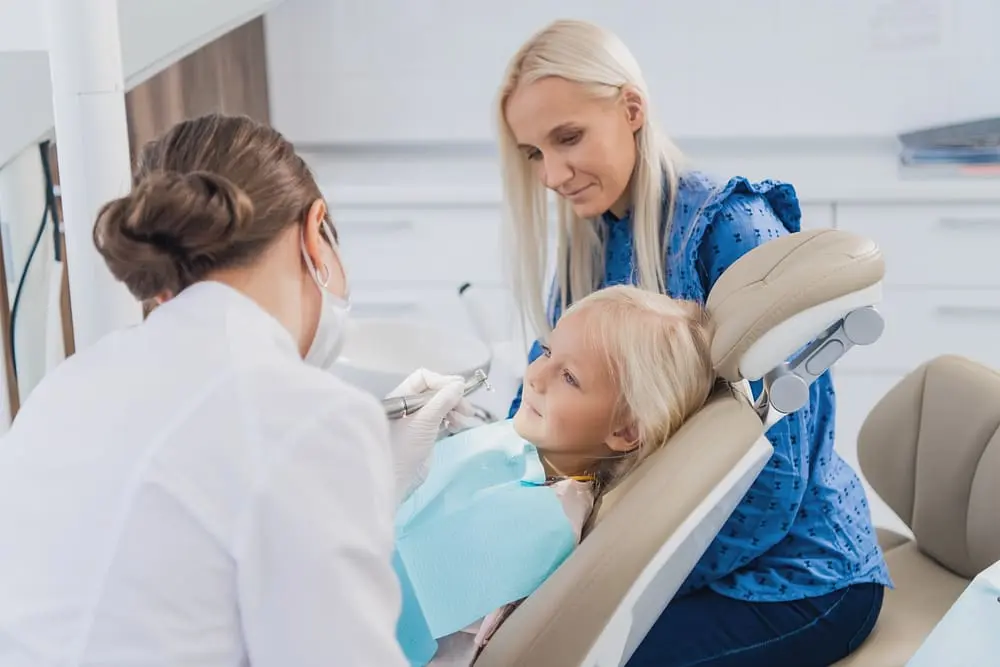
How to prepare your child for braces has three parts. Emotional prep is calm, positive, honest framing of what to expect. Physical prep is a routine dental cleaning and checkup before the bonding appointment. Practical prep is stocking soft foods and an orthodontic wax kit for the first few days. Knowing that putting braces on is comfortable removes most of the worry before it starts.
Across 5,000+ treated cases at Limestone Hills in Austin, Dr. Rodrigo Viecilli, an ABO Diplomate with a PhD in orthodontic biomechanics, has watched what actually settles a nervous child: knowing the appointment itself does not hurt, and knowing the sore part is short.
The children who adjust fastest are not the bravest ones. They are the ones whose parents framed braces honestly and had a soft meal and wax kit ready before the first sore evening.
That is the whole strategy. Calm expectations, a clean mouth going in, and a prepared kitchen. It requires a prepared parent, not a brave child.
The Three Parts of Getting Ready
Preparing a child for braces is not one task. It is three small ones, and each lands in a different place: how the child feels, the teeth themselves, and the kitchen for the first few days.
Parents in Austin and Cedar Park often arrive worried about the wrong thing. The appointment to put braces on is comfortable. The part that needs preparation is the first sore week, and the anxiety a child carries in before any of it begins.
Dr. Viecilli’s framing is simple. Handle the emotional, physical, and practical prep in advance, and the start of treatment stops being an event and becomes routine. The sections below take each part in turn.
Emotional Prep: Calm, Honest Framing
A child’s anxiety about braces is usually built from rumor, an older sibling’s exaggeration, or a vague fear of the unknown. The fix is information delivered calmly, not a pep talk that over-promises.
The most reassuring fact is also the truest one. Putting braces on does not hurt. The orthodontist cleans the teeth, attaches the brackets, and connects the wire, and the appointment is comfortable from start to finish. A child who knows that expects a routine visit.
Honest framing also means naming the sore part without dramatizing it. The teeth feel tender for a few days after braces go on, the way they would after a long workout, and then it fades. A child who hears that in advance is not blindsided when it happens.
What helps a nervous child before the appointment:
- Use plain, neutral words. Say the orthodontist will put the braces on and check that everything fits. Avoid scary verbs and avoid promising it will be “easy,” which sets up a letdown if the first evening is sore.
- Explain the sequence. A child calms down when the unknown becomes a list: clean the teeth, place the brackets, attach the wire, pick the band colors, go home. Predictability lowers fear more than reassurance does.
- Let the child ask the orthodontist directly. Encourage the child to bring questions to the appointment and ask the team in person. Hearing answers from the orthodontist carries more weight than hearing them secondhand.
- Frame braces as ordinary. For a child in this age range, many classmates have braces or will. Treating it as a normal part of growing up, not a hardship, takes most of the charge out of it.
- Keep the parent’s own tone steady. Children read a parent’s anxiety quickly. A calm, matter-of-fact parent is itself a preparation tool.
One honest note belongs here. The goal is not to convince a child that nothing will be uncomfortable. It is to make sure nothing is a surprise. A child who was told the truth and finds the first days sore but manageable trusts the process. A child who was promised it would be nothing does not.
Physical Prep: A Cleaning Before Bonding
The physical preparation is short and sensible. A routine dental cleaning and checkup with the child’s general dentist shortly before the bonding appointment is commonly advised, and the reasons are practical.
Brackets are placed on the tooth surface, so starting from clean, healthy enamel is the ideal. Just as important, a checkup before braces lets the general dentist find and treat any cavities while the whole tooth is still easy to reach. Once brackets and wires are on, parts of each tooth are harder to examine and harder to clean.
This is a coordination point, not a competition. The orthodontist manages tooth movement; the general dentist manages cavities and cleanings. Dr. Viecilli encourages families to keep seeing their regular dentist on schedule, starting with a cleaning before braces go on.
Physical prep checklist before the bonding appointment:
- Schedule a routine cleaning and checkup. Aim for the weeks before bonding so the teeth are clean and any dental work is finished first.
- Handle any cavities first. If the dentist finds a cavity, treating it before brackets go on is far simpler than working around hardware later.
- Confirm a good brushing routine is in place. Braces make hygiene harder, so the habit should be solid before it gets more demanding. A practice run at thorough brushing helps.
- Mention the upcoming braces to the dentist. The general dentist can flag anything worth addressing before orthodontic treatment starts.
That is the entire physical preparation. It is one ordinary dental visit, timed before braces rather than after, and it makes the months that follow easier.
Practical Prep: Stock the Kitchen First
The practical preparation is the one parents most often skip, and the one they regret skipping. The first sore evening is the wrong time to discover the pantry has nothing a tender mouth can manage.
Soreness after braces go on is real but predictable. It tends to start a few hours after the appointment, peaks over the first one to three days, and eases across the first week. During that window, soft and cool foods keep a child fed comfortably while the teeth settle.
The fix is a short shopping trip before the appointment. A small kit assembled in advance turns the first few days from a scramble into a non-event.
A soft-food list to have ready before braces go on:
- Smoothies and yogurt. Cold, soft, and easy, and good for the first day or two when the teeth are most tender.
- Blended or creamy soups. Warm but soft, filling without chewing.
- Scrambled or soft-boiled eggs. Soft protein that does not require force to eat.
- Mashed potatoes and soft pasta. Familiar, comforting, and gentle on sore teeth.
- Oatmeal and ripe soft fruit. Soft breakfast options that do not need much chewing.
- Applesauce and pudding. Easy snacks that feel like a treat on a sore day.
The small tool kit that handles the rest:
- Orthodontic wax. A small piece pressed over any bracket that rubs the inside of the cheek creates a smooth surface while the mouth toughens up. The orthodontist usually provides some, and having an extra container at home is reassuring.
- A soft-bristled toothbrush. Gentle on tender gums in the first days and effective around new brackets.
- Floss threaders or an interdental brush. Flossing changes with braces, so the right tool should be in the bathroom before it is needed.
- An over-the-counter pain reliever the family already uses. Used per the label and any guidance from the orthodontist, it covers the peak soreness of the first couple of days.
- A small travel kit for school. A toothbrush and wax in a backpack means the child is not stuck if something rubs during the day.
Assembled before the appointment, this kit is the difference between a calm first week and a stressful one. It is the single most useful thing a parent can do, and it takes one trip to the store.
What the Bonding Appointment Is Like
Knowing the appointment in advance removes most of a child’s anxiety, so it is worth walking through plainly. The visit where braces go on is called bonding, and it is comfortable.
The team cleans the tooth surfaces, places each bracket, and connects the wire. For metal braces, the child picks the colors of the small elastic bands, which most kids enjoy. The child is awake and comfortable throughout, with no numbing, because nothing about the process is painful.
The appointment takes a while because precision matters, so a child should expect to be in the chair for a stretch rather than a few minutes. Bringing headphones or something low-key to settle into helps a nervous child relax through it.
Soreness does not arrive during the appointment. It typically begins a few hours later as the teeth start responding to gentle force, which is exactly why the practical prep matters before the child gets home, not after.
The First Week Survival Plan
The first week is the part that actually needs a plan, and it follows a predictable arc. The hardest stretch is the first one to three days, and most children are far more comfortable by the end of week one.
A simple day-by-day approach keeps it manageable. There is a fuller guide in what to eat the first week with braces, and the short version is below.
- Day one and two. Lean heavily on cold and very soft foods, smoothies, yogurt, soup, and pudding. This is the peak of the soreness, so the menu should ask almost nothing of the teeth.
- Day three to four. Add gently firmer soft foods such as scrambled eggs, soft pasta, and mashed potatoes as the tenderness begins to ease.
- Day five to seven. Most children tolerate a much wider range of soft foods by now and are close to a normal braces-safe diet, avoiding hard, sticky, and chewy foods.
- Wax as needed. Any bracket that rubs gets a small piece of orthodontic wax until the cheek and lip toughen against the new edges, which usually takes a few days.
- Pain reliever for the peak. An over-the-counter option the family already uses, taken per the label, covers the worst of the first two days.
- Reassurance on a schedule. A calm reminder that the soreness is expected and short helps as much as anything physical. The child is not hurt; the teeth are adapting.
Here is the candid part. The first few days are genuinely uncomfortable, and pretending otherwise does a child no favors. The tenderness is real. What makes it manageable is that it is brief, expected, and well within the reach of a soft meal and a little wax. Honest, calm framing beats over-promising that it will be nothing, because a child who was told the truth trusts the rest of treatment.
Building Good Habits From Day One
Preparation does not end when the soreness fades. The habits a child sets in the first weeks carry through the entire treatment, and the easiest time to build them is right at the start, before anything has a chance to slip.
Brushing and flossing both change with braces. Food traps around brackets and wires, and a routine that worked before treatment is no longer enough. Dr. Viecilli’s view is that the families who establish the new routine immediately have the cleanest results at the end and the fewest problems along the way.
The two skills worth learning early:
- Brushing around brackets. It takes longer and needs more angles than before. A clear method makes it a habit instead of a fight. The guide on how to brush with braces walks through it step by step.
- Flossing with braces. The wire blocks the usual technique, so a floss threader or interdental brush becomes the tool. Learning it in the first week, when the parent is already paying attention, makes it routine. See how to floss with braces for the method.
Setting these habits in the first week is itself a form of preparation. A child who learns the routine while a parent is closely involved keeps it for the whole treatment, which protects the teeth that the braces are working to straighten.
How Limestone Hills Supports the Start
A well-prepared family still benefits from a practice that explains every step before it happens. At Limestone Hills the goal is for a child to know what the appointment involves before sitting in the chair, so the start is calm rather than uncertain.
Dr. Viecilli treats the consultation as the moment to set expectations honestly. A child and parent leave knowing what bonding is like, what the first week feels like, and exactly what to have ready at home.
The practice also keeps a direct line open for the first sore week. A parent unsure whether something is normal tenderness or an actual problem, a loose bracket or a poking wire, is encouraged to call early rather than wait. Most first-week questions have simple answers, and the office would rather hear them sooner. The full overview of children’s care is on the treatment for children page.
Austin and the Hill Country
Limestone Hills prepares families for braces from across Austin and the surrounding Hill Country, including Lakeway, Cedar Park, Round Rock, and Bee Cave. The preparation is the same wherever a family lives, because emotional, physical, and practical prep do not change by neighborhood.
What does change is the individual child. A confident ten-year-old and an anxious eight-year-old need the same three steps but a different tone, and that is handled in person rather than from a checklist.
For Austin families getting ready, the takeaway is straightforward. Frame it calmly, schedule a cleaning before bonding, stock the kitchen and a wax kit, and the first week stops being something to dread. A free consultation turns this general plan into a specific one for the child in front of the doctor, with a clear next step at treatment for children.
Common Questions About Preparing a Child for Braces
How should a parent prepare a child for braces?
Preparation has three parts. Emotionally, frame braces calmly and honestly so the child knows what to expect. Physically, schedule a routine dental cleaning and checkup before the bonding appointment so the teeth are clean and any cavities are handled first. Practically, stock soft foods and an orthodontic wax kit before the appointment so the first few days are easier on a sore mouth.
Does a child need a dental cleaning before getting braces?
A routine cleaning and dental checkup shortly before bonding is commonly advised. Brackets are placed on a clean tooth surface, and cleaning teeth covered by brackets and wires gets harder afterward. A checkup also lets the general dentist treat any cavities before they are partly hidden under orthodontic hardware. It is a sensible step, not an emergency.
Does getting braces put on hurt?
Placing braces is not painful. The orthodontist cleans the teeth, applies the brackets, and connects the wire, and the appointment itself is comfortable. Soreness usually starts a few hours later as the teeth begin to feel tender to pressure, peaks in the first one to three days, and eases over the first week. The appointment and the soreness are two separate things.
What should a parent buy before a child gets braces?
A simple kit covers most of the first week. Soft foods such as yogurt, smoothies, soup, eggs, mashed potatoes, and soft pasta, plus orthodontic wax for any spot that rubs the cheek, a soft toothbrush, and floss threaders or an interdental brush. Having these ready before the appointment removes a stressful errand on a sore day.
How can a parent calm a nervous child about braces?
Honest, low-key framing works better than over-promising. Explaining that the appointment is comfortable, that the first few days are sore but short, and that braces are routine for kids their age reduces anxiety. Letting the child ask the orthodontist questions directly, and avoiding scary words, helps a nervous child walk in feeling informed rather than surprised.
Sources. Standard guidance on pre-bonding dental preparation and first-week braces adjustment, stated qualitatively. Specifics that could not be independently verified are stated qualitatively rather than as exact figures. Clinical observations from Limestone Hills Orthodontics, Austin, TX.