
Neither fixed vs removable retainers is universally better. A bonded retainer is a thin wire fixed behind the teeth that needs no daily effort but can debond unnoticed and is harder to clean.
A removable retainer, either a clear Essix tray or a wire and acrylic Hawley, is easier to clean but only works when it is actually worn. No retainer is permanent, so the real answer is the type matched to the patient’s habits and case, plus the discipline to wear some retainer for life.
Patients ask which retainer type is best. Across 5,000+ treated cases at Limestone Hills in Austin, Dr. Rodrigo Viecilli, an ABO Diplomate with a PhD in orthodontic biomechanics and 27+ publications, gives a narrower answer than the question expects.
His biomechanics background is the relevant filter. The forces that finished a case do not switch off the day the braces come off. Teeth carry a long memory, and that memory is held in check only by consistent retention, not by which retainer was chosen.
So the honest core is this. The retainer type matters less than wearing one reliably for life. A well-fitted Essix worn every night holds a result better than a bonded wire the patient forgets is even there, and the reverse is just as true. The variable that decides stability is consistency, and a co-inventor of the SmartArch wire system weights that far above the device.
What Each Retainer Type Actually Is
There are two broad families. A fixed retainer, also called a bonded retainer, is a thin wire bonded to the tongue side of the front teeth with small pads of composite. It stays in place continuously and is not removed by the patient. It is invisible from the front and works without any daily effort.
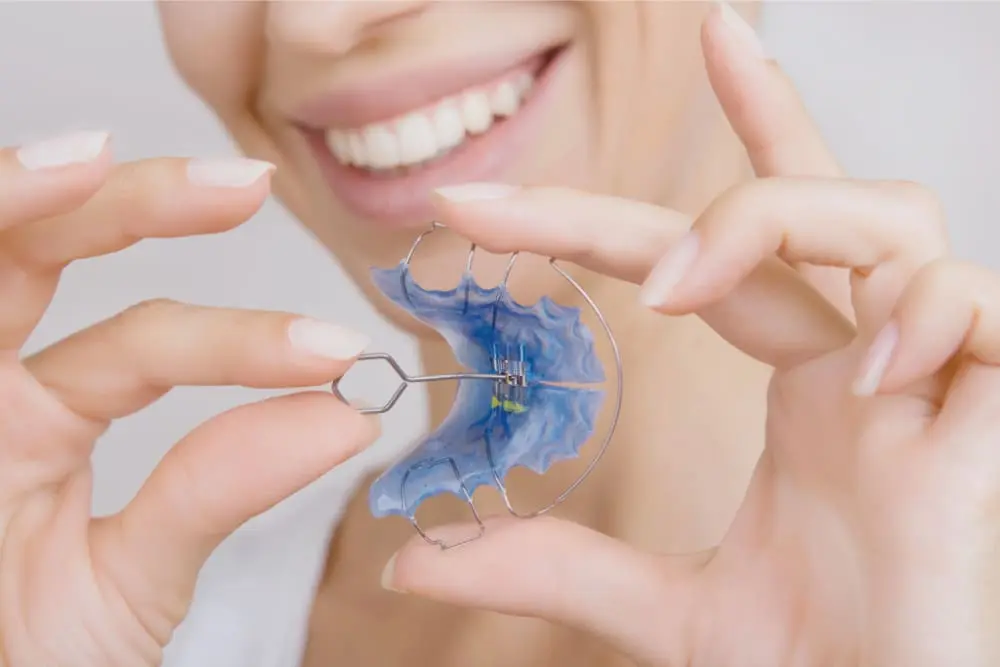
A removable retainer comes out for eating and cleaning and is worn on a schedule the orthodontist sets. There are two common designs. An Essix retainer is a clear removable tray that fits over the teeth like a thin shell. A Hawley retainer is a wire and acrylic removable retainer with a plastic body that sits against the palate and a visible wire across the front teeth.
Each design solves the same problem in a different way. The problem is relapse, the tendency of teeth to drift back toward their old positions after treatment. The braces or aligners moved the teeth; the retainer keeps them where they were moved to while the surrounding bone and tissue settle.
That framing matters before any comparison. None of these devices is permanent, and none of them ends the need for retention. They are different tools for holding a result that the body will otherwise try to undo.
The Case for a Fixed Bonded Retainer
The strongest argument for a bonded retainer is that it removes the patient from the equation. There is no nightly decision to make and nothing to forget in a drawer or wrap in a napkin at lunch. For the lower front teeth in particular, which are among the most prone to crowding again, that around-the-clock hold is a genuine advantage.
It is also invisible. The wire sits behind the teeth, so nothing shows when the patient speaks or smiles. For an adult who finished treatment for cosmetic reasons, an appliance that disappears entirely is an easy thing to accept long term.
There is a specific clinical situation where a bonded retainer is especially well suited. An upper midline gap held closed against a thick band of tissue between the front teeth, a frenum, tends to reopen, and a fixed wire resists that pull continuously in a way a removable tray worn only at night cannot.
The trade-off is real and worth stating plainly. A bonded retainer is harder to clean around, and it can debond at a single tooth or fracture without the patient noticing, which lets teeth shift quietly behind a device that is still partly attached. Those failure modes are covered in their own section below, because they are the reason a bonded retainer is not the default for everyone.
The Case for a Removable Essix or Hawley Retainer
The strongest argument for a removable retainer is hygiene and full coverage. It comes out for brushing, so the teeth and gums are fully accessible for normal cleaning, and the retainer itself can be rinsed and cleaned in the hand. It can also cover more of the arch than a small bonded wire that only spans the front teeth.
A clear Essix retainer adds the benefit of being nearly invisible while worn and simple to replace. It is the practice standard for most patients because it balances good retention, easy hygiene, and a low-profile look without the maintenance burden of a fixed wire.
A Hawley retainer, the wire and acrylic design, is more durable than a thin clear tray and can be adjusted slightly by the orthodontist if a small correction is needed. Its visible front wire makes it less discreet, but its sturdiness and adjustability are real advantages for some patients.
The honest limitation of every removable retainer is the same single point. It only works when it is actually in the mouth. A retainer left out for weeks does not hold anything, and teeth can drift in that window. The device is excellent, but it depends entirely on the wearer following through, which is the failure mode discussed next.
Longevity and the Real Failure Mode of Each
Longevity is the question patients most want a number for, and it is the question that most needs an honest reframe. The useful comparison is not how many years a device lasts but how each one fails, because both are maintained over a lifetime rather than installed once and forgotten.
A bonded retainer is a single placement that stays in continuously, so it is never lost or left out. Its failure mode is silent. The wire can debond at one tooth or fracture, and because the rest of it is still attached, the patient often does not notice. Teeth then shift behind a retainer that looks intact, which is why a bonded retainer needs a clinician to check it periodically.
A removable retainer fails differently and more visibly. It wears, cracks, warps if exposed to heat, or stops fitting as the appliance ages, and it can simply be lost. Its other failure mode is behavioral rather than mechanical: a removable retainer that is not worn does nothing, no matter how well it was made.
Both designs are therefore replaced or repaired over the years, which is normal maintenance, not a defect.
This is the candid center of the longevity question. There is no permanent retainer of any type. Asking which lasts longer is the wrong frame; the better question is which failure mode a given patient is more likely to manage well, a silent debond they must remember to have checked, or a removable device they must remember to wear.
Hygiene and Day-to-Day Maintenance
Hygiene is one of the clearest practical differences between the two families, and it weighs heavily in the practice’s default choice.
A removable retainer comes out for cleaning. The patient brushes the teeth normally with full access to every surface and the gum line, and the retainer is cleaned separately in the hand. Nothing about it changes daily brushing and flossing, which keeps the long-term gum and cavity risk lower for most people.
A bonded retainer stays fixed behind the teeth, so it does change daily care. Plaque collects along the wire and the composite pads, and flossing requires threading floss under the wire or using a water flosser, every day, indefinitely. A motivated patient manages this well; a patient who will not keep up that routine can develop tartar buildup and gum irritation behind the wire over time.
The practical takeaway is that a bonded retainer transfers effort from nightly wear to daily cleaning, while a removable retainer keeps cleaning simple but depends on the patient remembering to wear it. Neither removes effort entirely; they move it to a different place. Honest retention planning matches that effort to what the specific patient will realistically sustain.
Cost as a Difference in Kind, Not a Single Number
Cost differs between the two more in structure than in a single comparable figure, and the honest way to explain it is by the kind of expense rather than a blog number.
A bonded retainer is a one-time placement. Its later cost is conditional: if it debonds at a tooth or fractures, it needs a repair or rebond visit, and how often that happens varies widely by patient and habits. Some patients carry a bonded wire for a long time with no intervention; others need it addressed more than once.
A removable retainer is a replaceable item. It is generally remade over the years as it wears, warps, or stops fitting, and a lost retainer is replaced rather than repaired. The expense is therefore periodic and predictable in type, even though the interval depends on how well it is cared for.
Because the real figure depends on the case, the arch involved, and the patient’s habits, exact pricing is handled at the consultation and on the retainers page rather than estimated here.
The point for a reader comparing the two is the shape of the cost, a conditional repair expense for a bonded wire versus a periodic remake expense for a removable retainer, not a single dollar amount that would not hold across cases.
Fixed, Essix, and Hawley at a Glance
| Dimension | Fixed bonded retainer | Removable Essix | Removable Hawley |
|---|---|---|---|
| Wear | Always on; no patient action required | Worn on a set schedule; depends on the patient | Worn on a set schedule; depends on the patient |
| Hygiene | Harder; flossing under the wire required daily | Easier; comes out for full normal brushing | Easier; comes out for full normal brushing |
| Longevity pattern | Continuous, but repaired if it debonds or fractures | Remade periodically as it wears or stops fitting | Durable; remade if lost or no longer fitting |
| Main failure mode | Silent debond; teeth shift unnoticed | Not worn, or warped and ill-fitting | Not worn, or lost |
| Visibility | Invisible; hidden behind the teeth | Nearly invisible while worn | Visible front wire |
| Best fit | Specific indications such as an upper gap with a thick frenum, or a patient who will not wear a removable one | Most patients; the practice standard for routine retention | Patients wanting a sturdier, adjustable removable option |
The table summarizes structure. It does not crown a winner, because the right choice depends on the individual case and on which failure mode the patient is most likely to manage well.
How Limestone Hills Matches the Choice to the Case
Dr. Viecilli does not assign a retainer type by reflex. The practice standard for most patients is a removable clear Essix retainer, because it balances reliable retention, easy hygiene, and a low-profile look without the daily flossing burden a bonded wire adds. That is the default lean, not a universal rule.
A bonded retainer is reserved for specific indications rather than used for everyone. The clearest example is an upper midline gap held closed against a thick frenum, where a fixed wire resists the continuous reopening pull better than a tray worn only at night. A patient unlikely to wear a removable retainer reliably is another case where a fixed option earns its place.
The decision is shared and made from the diagnostic records and the patient’s habits, not from a preference for one device. Where the case allows either, Dr. Viecilli explains the trade-off in plain terms, the silent-debond risk of a bonded wire against the wear-dependence of a removable one, and the choice is made together.
The standard the practice applies here is the same one it applies to wires and brackets. The retainer is matched to the patient in front of the doctor, and it is reviewed at check-ups so a problem with either type is caught before teeth move, rather than discovered later.
The Candid Part
The most useful thing to say plainly is that neither type is universally better, and any source that names one as the clear winner is oversimplifying. Each has a real failure mode. A bonded wire can debond unnoticed and let teeth shift behind a device that looks intact. A removable retainer only works if it is actually worn, and a retainer in a drawer holds nothing.
The honest answer is the one matched to the patient’s habits and case, then checked over time. A disciplined patient with good hygiene does well with a removable Essix. A patient who will not keep up nightly wear, or who has a specific indication like an upper gap with a thick frenum, may be better served by a bonded retainer despite its higher cleaning demand.
The point that outranks the type choice is the one patients most want to avoid hearing. No retainer is permanent, and retention is effectively lifelong wear of some retainer in some form. A patient who accepts that and stays in retention keeps the result.
A patient who treats any retainer as a temporary device with an end date risks relapse regardless of which type was chosen, which is why Limestone Hills frames the device as secondary to the commitment.
Austin and the Hill Country
Limestone Hills treats retention patients from across Austin and the surrounding Hill Country, including Lakeway, Cedar Park, Round Rock, Bee Cave, and Steiner Ranch. The retainer options on offer do not change by neighborhood, and neither does the honest framing that retention is a lifelong commitment rather than a finished step.
The recommendation does change by case, because a teenager in Westlake just out of braces and an adult in Steiner Ranch holding an upper gap closed against a thick frenum are different retention problems that call for different choices. The right type in either situation comes from the records and the patient’s habits, not from a default.
For Austin families comparing options nearby, the practical advantage of an orthodontist-led practice is that the same ABO Diplomate designed the treatment and designs the retention to protect it. A free consultation, routed through the retainers page at Limestone Hills, is the step that turns this comparison into a specific plan for the patient in front of the doctor.
Common Questions About Fixed and Removable Retainers
Which retainer is better, fixed or removable?
Neither type is universally better. A bonded retainer holds the front teeth without daily effort but can debond unnoticed and is harder to clean around. A removable Essix or Hawley retainer is easier to clean and covers more teeth but only works when it is actually worn. At Limestone Hills the better choice is the one matched to the patient’s habits and case, with a removable clear Essix retainer used for most patients and a bonded retainer reserved for specific indications.
Do fixed retainers last longer than removable ones?
A bonded retainer is a single placement that stays in continuously, so it is not lost or left in a drawer, but it can debond at a tooth or fracture and then needs repair. A removable retainer is replaceable and is typically remade over the years as it wears or no longer fits. Longevity is better thought of as ongoing maintenance of whichever type is used rather than one device lasting forever, because no retainer is permanent.
Which retainer is easier to keep clean?
A removable retainer is easier to keep clean because it comes out for brushing and rinsing and gives full access to the teeth and gums for normal hygiene. A bonded retainer stays fixed behind the teeth, so it traps plaque and requires careful flossing under the wire with threaders or a water flosser. Hygiene effort is a real practical difference and is one of the reasons the practice favors a removable retainer for most patients.
Is there a cost difference between fixed and removable retainers?
The difference is mainly one of kind rather than a single comparable figure. A bonded retainer is a one-time placement that can later need a repair or rebond visit if it debonds or breaks. A removable retainer is replaceable and is generally remade over time as it wears. Exact pricing depends on the case and is reviewed at the consultation and on the retainers page rather than quoted as a blog number.
How long do retainers need to be worn?
Effectively for life. Teeth tend to drift after treatment, a tendency called relapse, and that tendency does not expire after a set number of years. Retention is best understood as long-term wear of some retainer rather than a temporary device with an end date. The retainer type can change over time, but the commitment to wearing one in some form is what actually holds an orthodontic result.
Sources. General orthodontic understanding of post-treatment relapse and the function of retention, including fixed bonded retainers and removable Essix and Hawley retainer designs, stated qualitatively.
The failure modes described, silent debonding of a fixed retainer and wear-dependence of a removable retainer, reflect well-established clinical observation and are stated qualitatively rather than as exact figures.
Cost and longevity are described as differences in kind, a conditional repair expense for a bonded wire versus a periodic remake expense for a removable retainer, rather than as specific dollar amounts or years, because the real figures depend on the case and on patient habits.
Exact pricing is reviewed at the consultation and on the retainers page. Clinical observations from Limestone Hills Orthodontics, Austin, TX.