
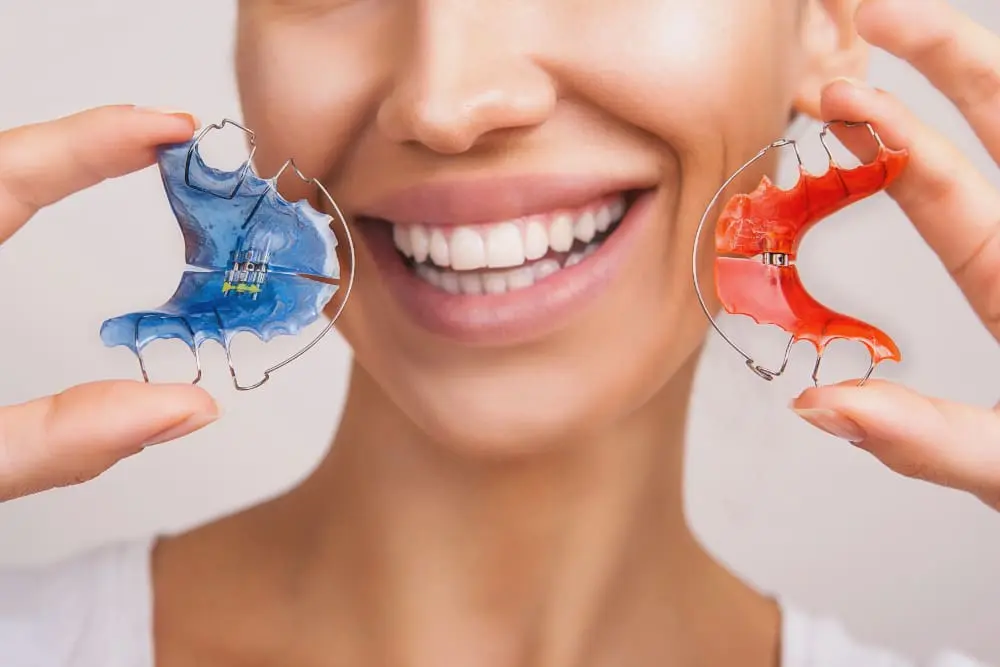
If a retainer doesn’t fit anymore, the teeth have already started to move, and forcing the retainer can crack it or push teeth the wrong way.The most important step for an Austin patient is to stop, leave the retainer out, and bring it in to be assessed rather than wrestle it on.
How long it has been out decides the fix: a few missed nights is usually a refit, a few weeks to months often needs a new scan and retainer, and a longer gap can mean a short round of clear aligners. Dr. Viecilli’s rule is simple, never force an ill-fitting retainer, and the tightness test tells the patient when to call.
Across more than 5,000 cases at Limestone Hills Orthodontics, Dr. Viecilli’s clinical position is direct: a retainer that no longer seats is not a retainer problem, it is a signal that the teeth have already shifted. Forcing it on can crack or split the plastic and can torque teeth in directions no one intended.
The second point is the one that calms most worried parents and patients. The time window decides everything. A few days of non-wear is usually a quick refit. A few weeks to a few months often means a fresh scan and a new retainer. Several months to years can mean a short new round of treatment, not a quick adjustment.
So the protocol is short. Bring the retainer in immediately, do not force it, and let the tightness test decide when to call. Acting in the first week is almost always easier and cheaper than acting after the photo already looks different.
Why a Retainer Stops Fitting
A retainer is molded to one precise set of tooth positions. It does not adapt. The day it stops seating cleanly, rocks on the back teeth, or feels sharply tight, the teeth underneath no longer match the shape it was made from. In almost every case, the appliance did not change. The teeth did.
Teeth are held in their finished positions by the periodontal ligament and the bone around each root. Those tissues remodel slowly after braces or aligners come off, and they never fully lock a tooth in place. Retention is what counters the natural tendency to drift back. Reduce or stop the wear and the drift quietly resumes.
There is one important exception, and it runs the opposite direction. Sometimes the retainer is the part that changed, not the teeth. Clear thermoplastic retainers warp when exposed to heat, and a warped retainer can mimic the feeling that teeth moved. Sorting out which of the two happened is the first thing a clinical exam settles.

The Common Reasons, in Order of How Often They Happen
Several things put a retainer out of fit. They are not equally common, and the fix depends on which one is driving a given case, so listing them honestly in order of frequency matters.
The non-wear gap. By a wide margin this is the leading reason. Life gets busy, the result still looks fine, the retainer goes in the drawer, and months later it will not seat. The drift is gradual and quiet, which is exactly why it is rarely noticed until the retainer stops fitting or a photo looks different.
Jaw growth in teens. A younger patient whose face is still growing can outgrow a retainer that fit perfectly a year earlier. The teeth may be fine while the arch and jaw relationship changed, which is a different problem than adult relapse and is handled differently.
Heat warping. Hot water, a dishwasher, boiling to clean, or a hot car on an Austin afternoon can soften and deform a clear retainer. Even slight distortion changes the fit. Here the appliance changed, not the teeth, and the answer is a replacement rather than a refit.
Lost, then found weeks later. A retainer that was misplaced and rediscovered after a gap often will not fit, not because anything is wrong with it, but because the unprotected weeks allowed the teeth to start moving while it sat in a bag somewhere.
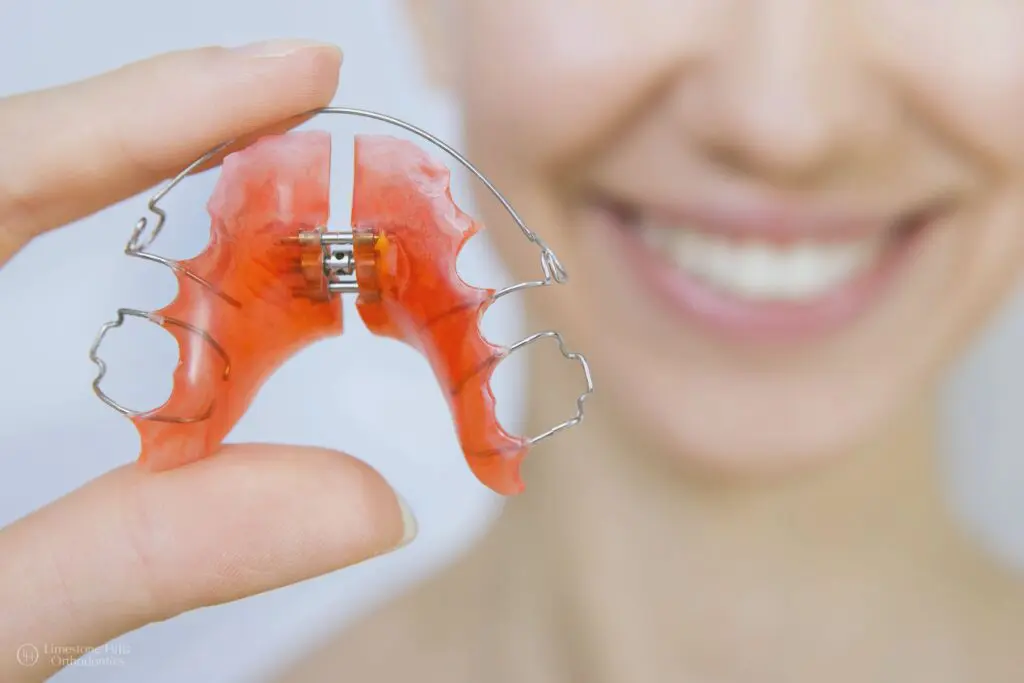
Why Forcing an Ill-Fitting Retainer Is the Wrong Move
The instinct is understandable. The retainer almost goes on, so it feels like a little extra pressure should seat it. That instinct causes real damage, and it is worth being blunt about why.
A retainer is built to hold teeth, not to push them. Forcing one that does not seat loads teeth in directions the appliance was never designed to apply. That can rotate or tip teeth the wrong way, irritate the gums, and stress the periodontal ligament.
The retainer itself is also at risk, because clear plastic that is strained to seat over moved teeth can crack or split, which leaves the patient with no working retainer at all.
There is also a hidden cost. A patient who keeps forcing a poor-fitting retainer for weeks is often allowing more movement to happen underneath while believing the problem is being managed. The honest move is the opposite of forcing. Stop, take it out, and have it looked at before more drift accumulates.
The Tightness Test: How to Tell Minor Snug From Real Movement
Not every tight retainer is an emergency, and not every snug fit needs an appointment. Limestone Hills Orthodontics teaches patients a simple way to read the difference rather than publishing a rigid wear schedule that does not fit every mouth.
If the retainer seats fully but feels snug for the first few minutes after a missed night or two, that is the normal early signal. The teeth tried to drift slightly and the retainer is holding them. Wearing it more consistently for a few days usually resolves it. That is the system working as intended.
If the retainer will not seat fully, rocks, lifts off the back teeth, causes sharp pain, or simply will not go on, that is a different category. That is the point to stop, leave it out, and call. The rule is easy to remember: snug and seats means wear it more, will not seat or hurts means do not force it and call the practice.
How the Time Window Decides the Fix
The single most useful piece of information a patient can give the practice is how long the retainer has been out of regular use. The length of that gap is the first clue to what the fix will be, before any scan is taken. The table below is the general pattern Dr. Viecilli uses, then confirms with a clinical exam and a 3D scan.
| Time since regular wear stopped | What usually happened | Likely fix |
|---|---|---|
| A few days to two weeks | Tiny settling movement. Retainer still seats but feels snug. | Renewed consistent wear, often no appointment needed. Refit if discomfort persists. |
| A few weeks to a few months | Noticeable drift. Old retainer no longer seats to current positions. | New 3D scan and a new retainer made to the teeth as they are now. |
| Several months to a few years | Visible relapse. Teeth rotated or crowded enough to see in a photo. | A short course of clear aligners or braces to recover alignment, then a new retainer. |
| Retainer warped by heat (any time frame) | Appliance deformed. Teeth may be fine, the retainer is the problem. | Replacement retainer. A scan confirms the teeth did not also move. |
The pattern is a guide, not a verdict. Two patients with the same gap can need different things depending on how stable their case was to begin with and whether the original bite problem was fully corrected. The table sets expectations. The exam and scan set the plan.
What Limestone Hills Actually Does at the Visit
When a patient brings in a retainer that no longer fits, the visit follows a consistent sequence rather than a guess. The point is to separate a small recoverable problem from one that needs active treatment, and to be honest about which one it is.
First, Dr. Viecilli assesses the magnitude of the shift. A clinical exam plus a 3D scan shows exactly how the current tooth positions compare to where the retainer expects them to be. That comparison is what distinguishes minor settling from real relapse, and it removes the guesswork from the conversation.
From there the options are straightforward. Minor drift can mean a refit or simply a renewed wear plan. Drift the old retainer can no longer hold means a new scan and a new retainer built to the teeth as they are today.
A warped appliance means a replacement. And if the teeth moved enough that no passive retainer can recover the alignment, the honest answer is a short period of active treatment first.
The Honest Answer Is Sometimes a Short New Round, Not a Quick Refit
This is the part many patients are not told plainly, so Limestone Hills Orthodontics says it directly. If a retainer has been out for several months or years and the teeth have visibly moved, the truthful answer is sometimes a short new round of clear aligners or braces, not a same-day refit.
That is not an upsell. It is the consequence of the biology. A passive retainer cannot reliably reverse rotations and crowding that have set in over a long gap, and pretending it can leads to a forced, ill-fitting appliance that fails and damages itself. The encouraging side is real.
Relapse is usually partial, so a second round corrects a smaller amount of movement and often runs well under a year, frequently as a strong clear-aligner case. Dr. Viecilli would rather give that answer up front than hand a patient a retainer that will not work.
Preventing the Next One: A Lifetime-Retention Mindset
The teeth that were moved will always tend to drift. That is not a flaw in the treatment, it is biology. The patients who keep their results for decades are not the ones with a special case. They are the ones who kept a sound retainer and kept wearing it.
Practically, a lifetime-retention mindset means three habits. Keep the retainer somewhere it cannot be sat on, lost, or cooked by heat. Replace it before it cracks or stops fitting rather than after. And use the tightness test as an early-warning system: if it starts feeling snug going in, the teeth are signaling, so increase wear and call before it stops seating entirely.
For selected patients, a bonded retainer behind the lower front teeth can support compliance where loose-retainer wear has been the weak point. It is not right for every case, and it does not remove the need for monitoring, but for the right patient it takes one common failure point off the table.
Dr. Viecilli builds the retention plan into the treatment from the start so an ill-fitting retainer becomes a small, early conversation instead of a second round of braces.
Austin and the Hill Country
Limestone Hills Orthodontics serves families across Austin and the surrounding Hill Country, including Lakeway, Westlake, Cedar Park, Round Rock, Bee Cave, and Steiner Ranch. A retainer that stopped fitting is one of the most common reasons patients from these communities call, often years after a treatment finished somewhere else.
The local angle matters more than people expect. Texas heat is a genuine retainer hazard, and a clear retainer left in a hot car during an Austin summer can warp enough to stop fitting on its own. Whether the cause is the heat or a long non-wear gap, the practice gives a straight assessment of what it will take to set things right and a retention plan built so it does not recur.
Common Questions About a Retainer That Does Not Fit
My retainer suddenly does not fit. What does that mean?
It means the teeth have already moved. A retainer is molded to one exact set of tooth positions. The day it stops seating fully, rocks, or feels painfully tight, the teeth no longer match the mold, which is the definition of orthodontic relapse beginning. The retainer itself rarely changes on its own unless it was warped by heat. In the large majority of cases the cause is that wear became inconsistent or stopped. The amount of movement determines the fix, so the most useful next step is a clinical look rather than guessing. At Limestone Hills Orthodontics, Dr. Viecilli assesses how far the teeth drifted before recommending anything.
Should I force my old retainer back in if it is tight?
No. Forcing a retainer that does not seat is the single most common way patients make the situation worse. The plastic can crack or split under the strain, and a retainer is built to hold teeth, not to push them, so forcing it can load teeth in unintended directions and irritate the gums and the periodontal ligament. A retainer that feels mildly snug after a few missed nights is different from one that will not seat, and the tightness test in this article explains how to tell them apart. When a retainer genuinely will not go on, the answer is to stop, leave it out, and have it assessed, not to push harder.
How long can a retainer be left out before the teeth shift?
There is no fixed safe window because the periodontal ligament begins reorganizing within days, but the practical pattern is consistent. A few missed nights usually produces a snug fit that resolves with renewed nightly wear. A few weeks to a few months often means the old retainer no longer seats and a new scan and retainer are needed for the current positions. Several months to years frequently means enough movement that a short course of clear aligners or braces is the honest answer before a new retainer. Dr. Viecilli at Limestone Hills Orthodontics uses the length of the gap as the first clue and then confirms with an exam and scan.
Can a retainer move shifted teeth back into place?
Only for very minor movement. A retainer is a holding device, not an active tooth-moving appliance. When the drift is small, such as slight settling after a brief lapse, renewed consistent wear can sometimes nudge teeth back to a comfortable seat. Once teeth have rotated or crowded visibly, expecting a passive retainer to undo that reliably is not realistic, and trying to force the issue risks cracking the retainer. The honest distinction between minor drift that wear can recover and real movement that needs active treatment is exactly what a consultation at Limestone Hills Orthodontics is for.
Why did my retainer warp if I did wear it?
Clear retainers are thermoplastic, which means heat softens and deforms them. The common causes are rinsing or soaking in hot water, running them through a dishwasher, boiling them to clean them, or leaving them in a car or near a heat source on a warm Austin day. Even slight distortion changes the fit enough that the retainer no longer holds the teeth correctly, and a warped retainer can feel like the teeth moved when the appliance is the part that changed. A warped retainer should be replaced, not reshaped at home. Dr. Viecilli will confirm whether the issue is a warped appliance or actual tooth movement, because the fix is different for each.
Sources. American Association of Orthodontists, patient guidance on tight and ill-fitting retainers and orthodontic relapse. Peer-reviewed orthodontic literature on post-treatment stability, periodontal ligament and bone remodeling after appliance removal, and the role of ongoing retention in preventing relapse.
Manufacturer and clinical guidance on thermoplastic retainer heat sensitivity and warping from hot water, dishwashers, and heat exposure. Clinical observations from Limestone Hills Orthodontics, Austin, TX.