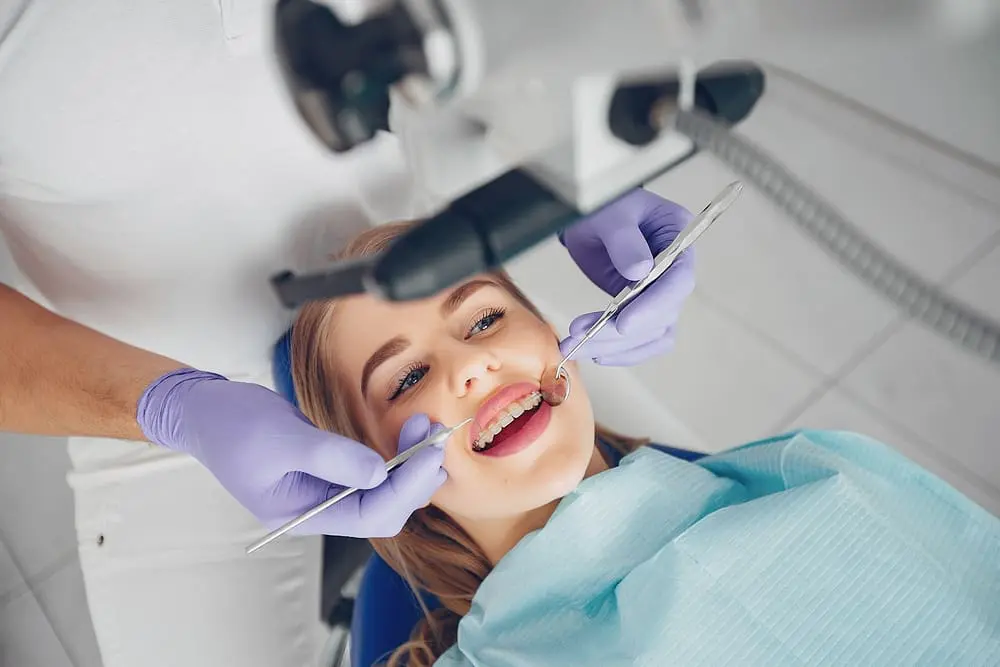
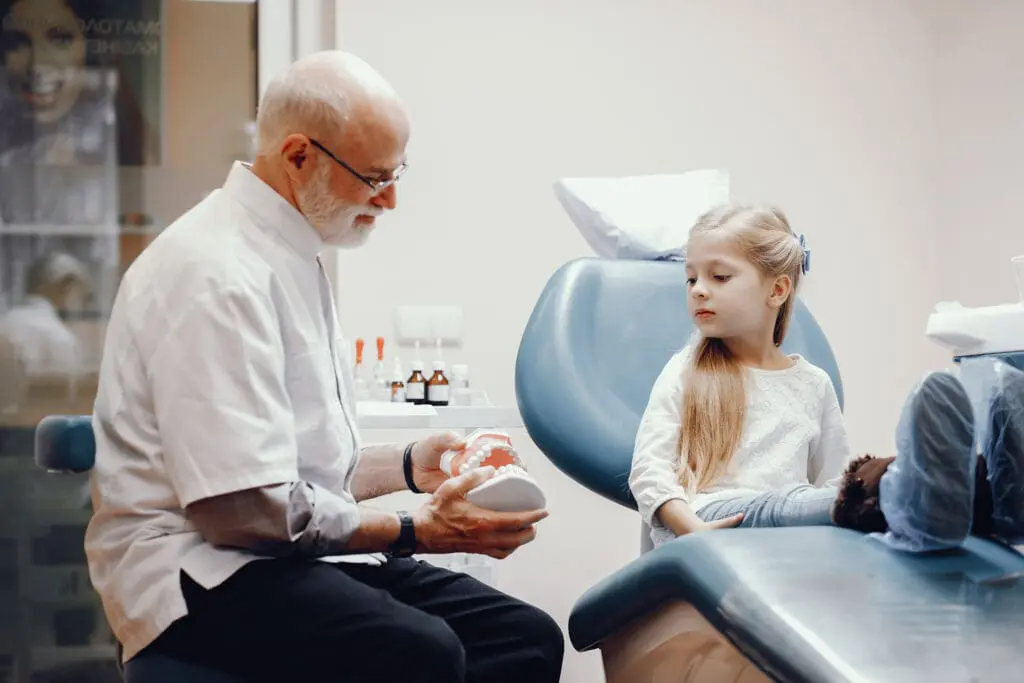
There is no single best age for braces. The first orthodontic check should happen around age 7 so a specialist can monitor a child’s growth. A small subset of children benefit from early treatment around 8 to 10, and most comprehensive treatment happens between roughly 11 and 14 as the permanent teeth come in. Teens and adults can be treated successfully at any age.
Parents often arrive worried they have already missed a window. In Dr. Rodrigo Viecilli‘s experience across 5,000+ treated cases at Limestone Hills in Austin, that worry is usually unfounded. The age-7 visit exists so nothing gets missed, not so treatment starts early.
Dr. Viecilli, an ABO Diplomate with a PhD in orthodontic biomechanics and 27+ publications, frames timing around one question: what can a specialist actually assess and treat at each stage of a child’s development. The answer changes as the teeth and jaws change, which is why the recommendation is individual rather than a fixed age.
For most children the honest answer at the first visit is to watch and wait. The plan firms up when the mouth is ready, not before.
Why a Child’s Age Changes the Answer
Orthodontic timing follows tooth and jaw development, not the calendar. Two children the same age can be at very different stages, so a recommendation that fits one may not fit the other. This is the core reason there is no universal best age.
What an orthodontist can see and do depends on which teeth have erupted and how much jaw growth is left. Early on, the value is in observation. Later, when the permanent teeth are in, the value is in moving a full, stable set of adult teeth into place.
Dr. Viecilli evaluates each stage by what is assessable and what is treatable at that point. The sections below walk through the age bands a parent in Austin is likely to ask about, what to expect at each, and the typical issues and options that come up.
Age 7: The First Orthodontic Check
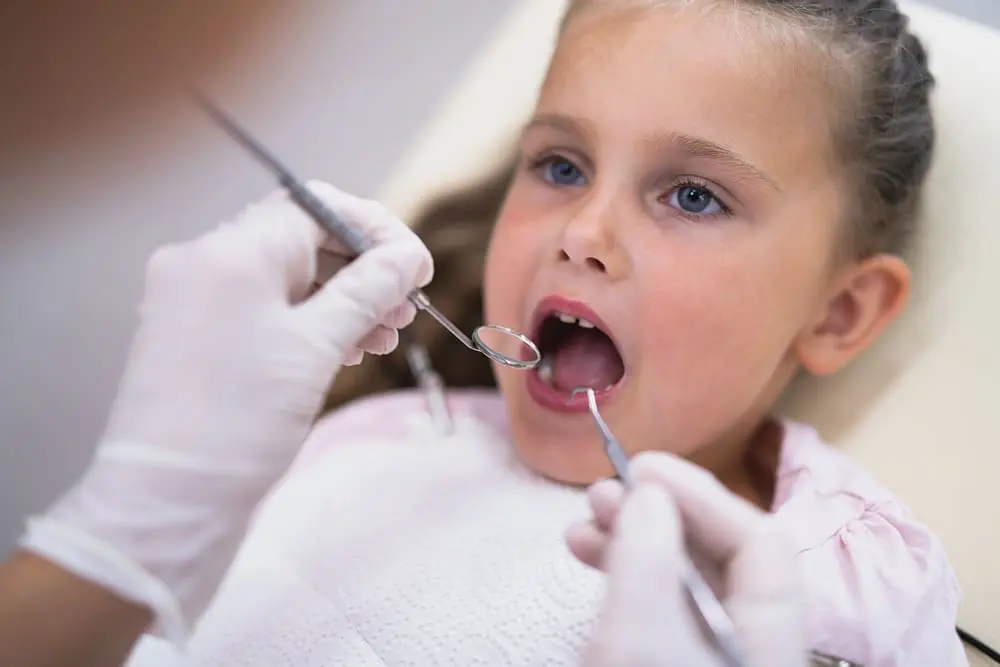
The American Association of Orthodontists recommends a first orthodontic evaluation by age 7. By this point most children have a mix of baby teeth and the first permanent molars and incisors, which gives a specialist enough to read how the bite and jaws are tracking.
What to expect: a short, low-pressure visit. Dr. Viecilli looks at the developing bite, jaw relationship, eruption pattern, and any habits that could shape growth. For most children the visit ends with a plan to monitor, not a recommendation to start.
Typical issues that can be flagged at this age include a developing crossbite, severe crowding, a narrow upper jaw, a strong underbite tendency, or a thumb habit affecting the front teeth. Spotting these early does not mean treating them early. It means the orthodontist can decide, with time on its side, whether and when to act.
The candid point worth stating clearly: an age-7 screening is monitoring, not a push to start early. Most children who come in at 7 do not need anything done at 7. The visit protects options. It does not commit a child to treatment.
Age 8 to 10: The Early-Treatment Window, When It Applies
Between roughly 8 and 10, a child is in the mixed-dentition stage, with baby and permanent teeth present together. This is the window where early treatment, often called Phase 1, can help a specific minority of children.
The most important thing for a parent to know: most children do not need Phase 1. Early treatment is reserved for problems where waiting would make the eventual correction harder, longer, or less stable. It is not a routine step every child goes through.
Typical reasons a specialist might recommend early treatment include a posterior crossbite that constrains jaw growth, severe crowding with no room for permanent teeth, a protrusive bite that raises the risk of front-tooth injury, or a habit actively shaping the jaws. Tools used in this window include a palatal expander, limited braces on a few teeth, or a habit appliance.
When early treatment is genuinely indicated, it is usually followed later by a second phase once the permanent teeth are in. The detail of how that works is covered in Two-Phase Orthodontic Treatment. The judgment call about whether a child needs Phase 1 at all is exactly what an age-7 or age-8 check is for.
Age 11 to 14: The Most Common Time to Start
For most children, comprehensive braces or aligners start in this range. By roughly 11 to 14 the last baby teeth have usually been lost and the permanent teeth have erupted, so the orthodontist can move a complete set of adult teeth into a stable final position.
What to expect: this is full treatment rather than a limited early intervention. It addresses crowding, spacing, bite problems, and alignment together, in one coordinated plan, with the goal of a finished result rather than an interim correction.
There is also a growth advantage. Many children in this band still have some jaw growth remaining, which an orthodontist can sometimes use to help correct how the upper and lower jaws fit together. That makes this a clinically efficient window for a wide range of cases.
The exact start still depends on the individual. A child whose permanent teeth come in early may be ready before 11, and one with delayed eruption may start later. Dr. Viecilli times the start to the dental development, not the birthday, which is why an earlier evaluation matters even when treatment itself waits for this stage.
Age 15 to 17: Teen Treatment
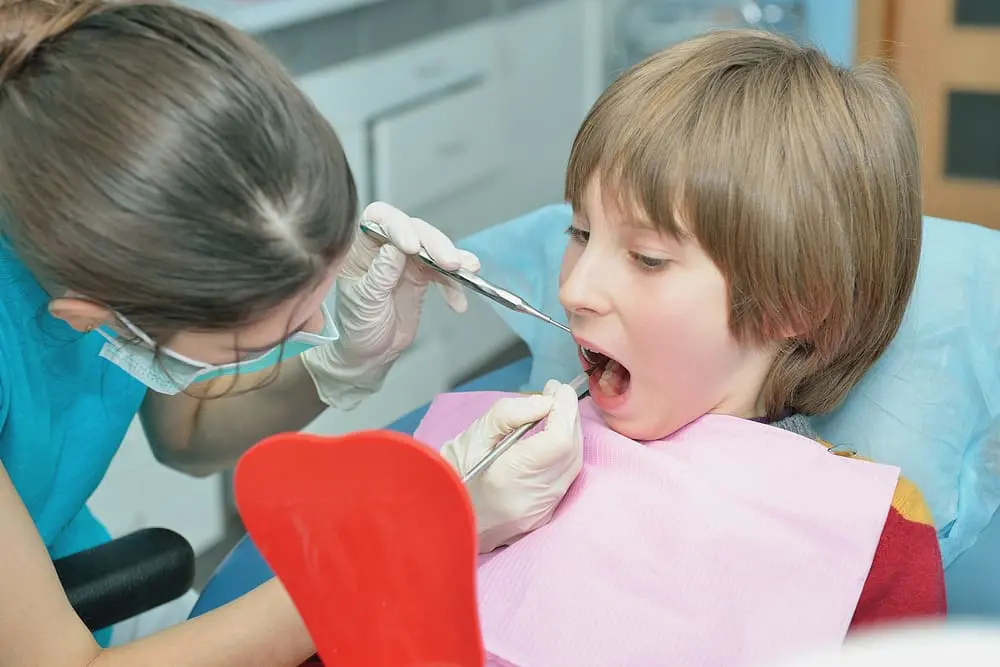
Plenty of treatment starts in the mid-to-late teens, and starting here is not a problem. A teenager who was monitored earlier, whose permanent teeth came in later, or whose family chose to wait can be treated successfully in this band.
What to expect: by this age the permanent teeth are firmly in, so the clinical approach is similar to the 11 to 14 window. The main differences are practical. Teens often have strong opinions about appearance, schedule, and convenience, which makes options like clear aligners or less visible braces part of the conversation.
Typical issues at this stage are the same alignment, crowding, spacing, and bite concerns seen earlier, sometimes noticed only once the adult teeth have settled. For teens specifically interested in a less visible option, Invisalign for Teens covers how aligners work for this age group.
Compliance with wear time matters more with removable options, and Dr. Viecilli discusses that honestly with the family before choosing an approach.
Age 18 and Up: Adults Can Be Treated at Any Age
Age is not a barrier to orthodontic treatment. Healthy teeth can be moved at almost any age, and adults are treated routinely with braces and clear aligners. The “best age” framing applies to children’s development; for adults, the better question is readiness of the teeth and gums.
What to expect: adult treatment is coordinated with overall dental health. Before moving teeth, the orthodontist confirms the gums and supporting bone are healthy and works alongside a general dentist when needed. Some adult cases take longer than a teen’s, and complex bite corrections may involve other specialists.
Typical reasons adults seek treatment include longstanding crowding, shifting that happened after a retainer was stopped years ago, or a bite problem that was never addressed. The options are the same modern ones offered to teens, with clear aligners a frequent choice for adults who want a discreet approach. The point for any adult reading this: it is not too late.
The Age-Band Timeline at a Glance
| Age band | What to expect | Typical issues | Common options |
|---|---|---|---|
| Around age 7 | First check; monitoring for most children, not treatment | Developing crossbite, severe crowding, narrow jaw, habit effects flagged for tracking | Observation and a growth-tracking plan |
| Age 8 to 10 | Early treatment only when indicated; most children do not need it | Posterior crossbite, no room for permanent teeth, protrusive front teeth, active habit | Palatal expander, limited braces, habit appliance |
| Age 11 to 14 | Most common comprehensive start, once permanent teeth are in | Crowding, spacing, alignment, and bite problems treated together | Full braces or clear aligners; some growth still usable |
| Age 15 to 17 | Teen treatment; similar clinical approach, more focus on appearance and schedule | Alignment, crowding, spacing, bite concerns settled after adult teeth erupt | Braces or clear aligners; wear-time compliance matters |
| Age 18 and up | Treatment at any age; coordinated with overall dental health | Longstanding crowding, post-retainer shifting, untreated bite problems | Braces or clear aligners; aligners a frequent adult choice |
The table summarizes typical timing. It is a guide, not a rule, because the right start depends on the individual child’s development and the specific problem being treated.
The Honest Answer: There Is No Single Best Age
Parents want a number, and the honest answer is that the number depends on the child. The only firm guideline is the AAO recommendation for a first check by age 7. Everything after that is a range, decided by how a particular child’s teeth and jaws develop.
This is why an early evaluation is valuable even though most treatment starts later. The age-7 visit is not about starting braces sooner. It is about giving an orthodontist enough time to recommend the right window for that specific child, whether that turns out to be early treatment, the common 11 to 14 start, or later.
Dr. Viecilli’s standard at Limestone Hills is to recommend treatment when it is the right time for the case and to recommend watching when it is not. A free first check costs a family nothing and removes the guesswork. The path for children’s treatment is laid out at Early Treatment for Children, and the related question of timing is covered in When Do Kids Get Braces?
Austin and the Hill Country
Limestone Hills runs free age-7 checks for families across Austin and the surrounding Hill Country, including Lakeway, Cedar Park, and Round Rock. The timeline in this guide is universal, but the recommendation for any one child is individual.
A first visit is the step that turns a general timeline into a specific plan. Whether a child needs nothing yet, early treatment, or a start later in the teen years, the same ABO Diplomate evaluates the development and explains the timing in plain terms. Parents can explore our Learning Center about the children’s treatment path at Early Treatment for Children at Limestone Hills.
Common Questions About the Best Age for Braces
What is the best age for braces?
There is no single best age. The first orthodontic check should happen around age 7 so a specialist can monitor jaw and tooth development. A small number of children benefit from early treatment around 8 to 10. Most comprehensive treatment happens between roughly 11 and 14 as the permanent teeth come in. Teens and adults can be treated successfully at any age, so the right timing depends on the child and the specific problem.
Why does the AAO recommend an orthodontic check by age 7?
By age 7 a child usually has a mix of baby and permanent teeth, which lets an orthodontist see how the bite and jaws are developing. The American Association of Orthodontists recommends this first check so problems can be tracked early. For most children the visit ends in monitoring, not treatment. Catching a developing issue early simply gives more options later.
Does an age-7 visit mean a child gets braces right away?
Usually not. The age-7 evaluation is a screening, not a starting gun. Most children leave with a plan to be watched as they grow, and treatment begins years later when the permanent teeth are in. Only a small subset have a problem that benefits from early treatment, and Dr. Viecilli explains plainly when watching is the better choice.
Is 11 to 14 the most common age for braces?
Yes. Most comprehensive orthodontic treatment starts between roughly 11 and 14, when the last baby teeth are gone and the permanent teeth have erupted. Treating at this stage lets the orthodontist work with the full set of adult teeth. The exact start still depends on the individual child’s dental development, not the birthday on the calendar.
Is it ever too late for braces?
No. Healthy teeth can be moved at almost any age, and adults are treated routinely with braces and clear aligners. Adult treatment may take longer in some cases and is coordinated with general and gum health, but age alone is not a barrier. Dr. Viecilli treats teens and adults of all ages at Limestone Hills in Austin.
Sources. American Association of Orthodontists guidance on the first orthodontic check by age 7 and standard mixed-dentition and comprehensive-treatment timing, stated qualitatively. Specifics that could not be independently verified are stated qualitatively rather than as exact figures. Clinical observations from Limestone Hills Orthodontics, Austin, TX.