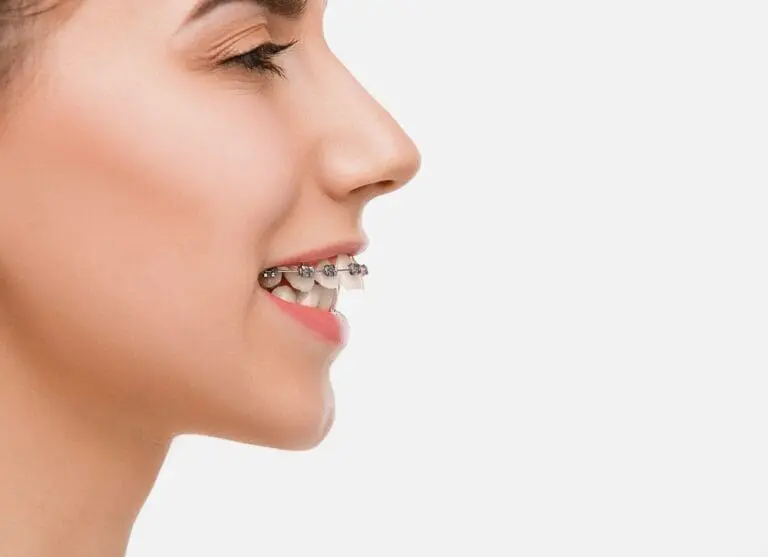

Choosing two-phase orthodontic treatment for your child in Austin, TX, can be a fantastic decision for their long-term dental health and confidence. This approach allows orthodontists to address developmental issues early on, guiding the growth of your child’s jaw and teeth in the first phase, and then fine-tuning their smile in the second phase.

What is Two-Phase Orthodontic Treatment?
Two-phase orthodontic treatment is a treatment approach designed for children whose teeth and jaws are still growing. Instead of waiting until all adult teeth appear, the orthodontist treats certain problems early. The treatment happens in two separate stages over several years.
Phase 1: Early Treatment
Phase 1 usually begins when a child is between the ages of 6 and 10. At this age, children still have baby teeth along with some adult teeth. The goal of Phase 1 is to guide jaw growth and tooth development. This helps create enough space for adult teeth to grow in the right position.
Early treatment may help:
- Guide jaw growth
- Create room for incoming teeth
- Reduce severe crowding
- Correct early bite problems
This phase builds a strong foundation for future orthodontic care.
Rest Period
After Phase 1 ends, there is a rest period. During this time, the child’s teeth and jaw continue to grow naturally. The orthodontist will monitor your child during this stage. Regular check-ups allow the doctor to track tooth eruption and jaw growth. This break lets the body grow without active treatment.
Phase 2: Final Alignment
Phase 2 begins once most or all adult teeth have erupted. This stage usually starts between the ages of 11 and 13. During this phase, braces or aligners move teeth into their final positions. The goal is to create a healthy bite and a balanced smile.
Phase 2 focuses on:
- Final tooth alignment
- Bite correction
- Improving the overall smile
Together, the two phases create lasting results.
Why Early Orthodontic Care Matters in Austin, TX
Early orthodontic care can prevent small dental problems from becoming serious ones. Children grow quickly, especially in their early years. During this time, the orthodontist can guide jaw development and tooth alignment while the bones are still flexible.
When treatment begins at the right age, it may help prevent:
- Severe crowding
- Bite problems
- Jaw misalignment
- The need for tooth removal later
Early evaluation allows orthodontists to find issues before they become harder to treat. As Dr. Fiona Shi, a recommended orthodontist in Kirkland, WA, often tells parents, catching problems early saves time and makes treatment much simpler for kids.
The Role of Growth and Development in Treatment Success
Jaw growth and development play an important role in orthodontic treatment outcomes. Because children’s bones are still growing, orthodontists can guide jaw development and correct bite problems more easily. Starting treatment at the right growth stage often leads to faster and better results.
Studies show that two-phase treatment during childhood can lead to healthier teeth, better alignment, and improved confidence. By using natural growth early, orthodontists can often reduce the need for more complex treatment later, leading to more successful outcomes.
Common Orthodontic Issues Addressed in Two-Phase Treatment
The following list highlights the most common orthodontic problems treated during two-phase care.
Bite correction
This fixes overbite, underbite, and crossbite issues. These problems affect chewing and speech. Good bite correction improves function and comfort.
Jaw alignment
The treatment guides upper and lower jaw growth. This creates balance and proper function. Strong jaw alignment supports overall oral health.
Crowding and spacing
The treatment makes room for adult teeth to come in straight. It prevents overlap and crooked teeth. Proper spacing is part of good alignment.
Tooth alignment issues
The treatment fixes crooked or rotated teeth. This creates a healthy, even smile. Straight teeth are easier to clean.
Treating these issues early prevents future oral health problems. You avoid gum disease, tooth wear, and jaw pain. Early intervention builds a strong foundation for life.
Why Choose Two-Phase Orthodontic Treatment in Austin, TX?
Every child is unique, so orthodontists in Austin create custom treatment plans based on each child’s needs, age, and growth stage. They use modern tools like digital X-rays and 3D scans to assess jaw development and tooth placement, improving diagnosis and planning.
A personalized plan helps achieve the best results in the shortest time. Treatment begins with a full examination and clear goals for each phase. Austin families trust local experts to provide personalized care and ongoing support.
Benefits of Two-Phase Treatment for Your Child
Two-phase treatment offers several long-term advantages.
Better long-term oral health
Straight teeth are easier to clean. This lowers the risk of cavities and gum disease. Good oral hygiene becomes simple. Your child builds strong habits early.
Stronger confidence
A beautiful smile boosts self-esteem during childhood and beyond. Kids feel better about themselves. Confidence helps in school and social settings.
Less need for invasive steps
Early intervention can prevent tooth removal or surgery. You avoid major procedures. Prevention is always better than fixing big problems later.
Better alignment
Straight teeth and jaws improve chewing, speaking, and breathing. Good alignment supports overall health. Your child feels more comfortable.
Solid foundation
Two-phase treatment builds a base for lifelong dental health. Early care sets kids up for success. The advantages of this treatment approach are clear. You get healthier teeth, fewer problems, and a bright smile. The benefits last a lifetime.
The Role of Austin Orthodontists in Early Evaluation
Book an early consultation. The American Association of Orthodontists says children should have their first orthodontic examination by age 7. Austin orthodontists check growth stages, jaw development, and tooth alignment during this visit. They look for signs of trouble. Early diagnosis helps spot issues that are easier to fix during childhood.
The orthodontist explains the assessment results. They tell you the best treatment timing for your child. They answer your questions and give clear advice. Regular check-ups ensure treatment starts at the ideal age. This timing leads to the best success and outcomes.
Appliances Used in Two-Phase Treatment
Orthodontists use several tools during treatment.
Expanders
These appliances widen the upper jaw to create space. They also fix crossbites. Expanders work best during childhood when bones are still growing. They use natural growth potential.
Braces
Metal or ceramic braces are often used in phase 2. They move teeth into perfect alignment. Braces give exact control and great outcomes. They are a trusted tool in orthodontics.
Aligners
Clear aligners like Invisalign Teen may work for older children in phase 2. Aligners are removable and nearly invisible. They offer comfort and ease.
Retainers
After active treatment, retainers hold teeth in place. They prevent relapse. Wearing retainers as directed protects your investment. They maintain results and keep your smile straight.
Why Timing Matters: Early vs. Late Treatment
Starting treatment at the right age offers major advantages. Early intervention guides growth, prevents more serious issues, and leads to better outcomes. Waiting too long can result in more complex problems, longer treatment time, and higher costs.
Two-phase treatment works with childhood growth and natural development to achieve the best results. Proper treatment timing is very important in orthodontics, and good planning from the start can make a big difference in treatment success and long-term smile health.
Detailed Look at Phase 1 Treatment
The following points explain what Phase 1 treatment includes and how it helps your child’s dental development.
1. When Phase 1 begins
Phase 1 is the first stage of a two-phase orthodontic treatment. It often starts when children are between the ages 6 and 10. At this age, kids still have baby teeth and some adult teeth. This stage allows orthodontists to guide early growth.
2. Goal of Phase 1
The goal is to guide jaw growth and make space for adult teeth. Early care helps teeth grow in the right direction. It can also correct bite problems before they become worse.
3. Appliances used
Common appliances include expanders and partial braces. Expanders widen the upper jaw to create space. Partial braces move certain teeth into better positions.
4. Treatment length
Phase 1 usually lasts about 9 to 18 months. This is the first of the treatment phases, and the timeline depends on the child’s needs and growth. After treatment, there is a rest period to allow natural growth.
5. Monitoring growth
During the rest period, the orthodontist checks your child’s teeth regularly. These visits help track jaw growth and new teeth. This monitoring helps plan the second phase of treatment.
6. Why Phase 1 matters
Phase 1 builds a strong base for future treatment. Early care can prevent bigger dental problems. It also helps guide jaw growth and create space for permanent teeth.
Detailed Look at Phase 2 Treatment
Here are the main steps and objectives of Phase 2 treatment.
1. When Phase 2 begins
Phase 2 is the final stage of treatment. It usually starts between ages 11 and 13. By this time, most adult teeth have erupted.
2. Goal of Phase 2
The goal is to improve tooth alignment and bite. This stage fine-tunes the smile. It helps create a healthy and balanced bite.
3. Appliances used
Orthodontists often use full braces or clear aligners. Braces move teeth with precise control. Aligners are removable and less visible.
4. Treatment length
Phase 2 usually lasts about 12 to 24 months, but the treatment timeline varies for each child. Good oral hygiene and following instructions help keep treatment on schedule.
5. Retainers after treatment
After braces or aligners, retainers keep teeth in place. They prevent teeth from shifting back. Retainers help maintain the final results.
6. Final results
Phase 2 completes the orthodontic process. It delivers the final straight smile. This stage improves both dental health and confidence.
How Two-Phase Treatment Supports Oral Hygiene and Health
Straight teeth are easier to clean, and good alignment makes brushing and flossing more effective. This improves oral hygiene and lowers the risk of cavities and gum disease while helping children build healthy habits early.
Proper jaw alignment also supports better breathing, chewing, and speech. Two-phase treatment builds a strong foundation for oral health, helps prevent future problems, and protects your child’s smile and overall well-being.
The Importance of a Comprehensive Evaluation and Diagnosis
A full evaluation is the first step in any orthodontic treatment. During the examination, the orthodontist checks the teeth, jaws, bite, growth, and development. Digital X-rays, photos, and 3D scans help create a clear diagnosis and improve treatment planning.
The orthodontist then creates a custom treatment plan based on your child’s needs, age, and growth stage. Early evaluation helps catch problems before they worsen and allows orthodontists to guide treatment using natural growth for better results.
Building Confidence Through Orthodontic Care
A healthy smile does more than look good. It builds confidence and self-esteem. Children with straight teeth often feel more comfortable smiling, talking, and participating in school, sports, and social activities.
Two-phase orthodontic treatment helps fix problems early before they affect confidence. The benefits also go beyond appearance, as good alignment and oral hygiene support overall health and long-term well-being.
Choosing the Right Orthodontist in Austin, TX
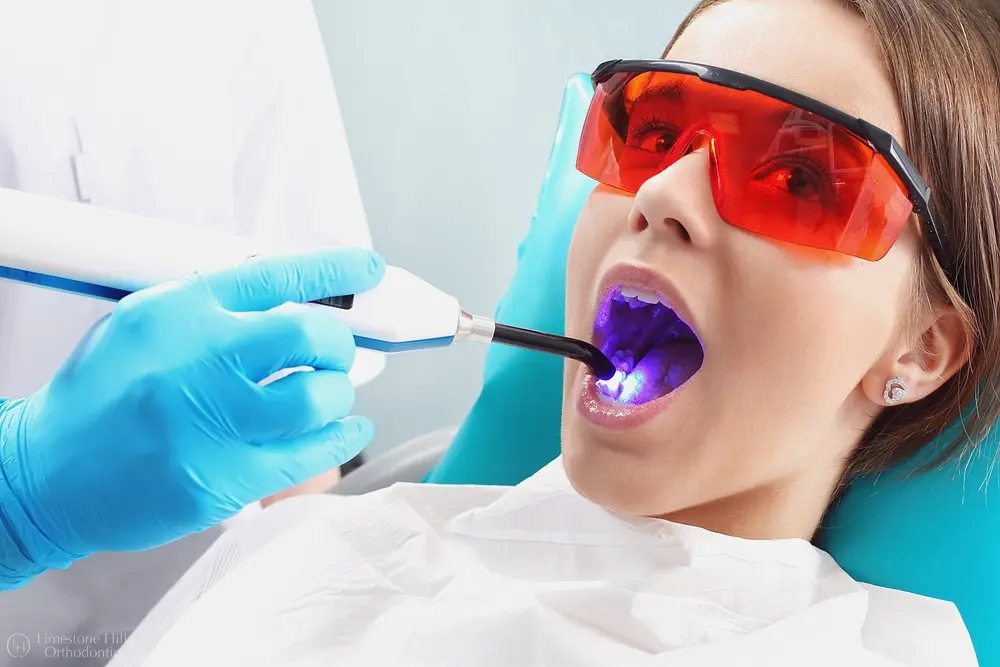
Choosing the right orthodontist in Austin, TX takes careful thought. Look for a provider with strong training, experience in two-phase treatment, and a good reputation working with children. Visiting the office and asking questions can help you feel confident in your choice.
A good practice should offer modern technology, a friendly team, and a comfortable environment for kids. Many local clinics focus on family care and understand community needs. Choose an orthodontist who listens, communicates clearly, and supports your child’s health and smile.
Give Your Child the Best Start for a Healthy Smile
Two-phase orthodontic treatment can make a lasting difference in your child’s dental health and confidence. By guiding jaw growth early and refining alignment later, this approach helps prevent bigger problems down the road. Schedule a consultation with a trusted orthodontist in Austin, TX, to learn if two-phase treatment is right for your child. Early evaluation can lead to easier treatment, healthier teeth, and a confident smile that lasts a lifetime.
About the Authors
Dr. Rodrigo Viecilli – Orthodontist in Austin, TX
Dr. Fiona Shi – Orthodontist in Kirkland, WA
Frequently Asked Questions
Does every child need two-phase orthodontic treatment?
No, not every child needs two-phase orthodontic treatment. Some children only need one phase of treatment during their teenage years when all permanent teeth have come in. Two-phase treatment is usually recommended only if there are jaw growth problems, severe crowding, bite issues, or habits that affect dental development.
What happens if we skip Phase 1 and wait until the teenage years?
If early treatment is recommended but delayed, some problems may become more severe and harder to treat later. This could lead to longer treatment time, tooth extractions, or even jaw surgery in severe cases. However, not all children need Phase 1 treatment, so it is important to follow the orthodontist’s recommendation after an early evaluation.
How do I know if my child needs an early orthodontic evaluation?
You should schedule an orthodontic evaluation if you notice crowded teeth, early or late loss of baby teeth, difficulty chewing, mouth breathing, thumb sucking, or jaw shifting when your child bites. Even if you do not notice problems, orthodontists recommend a first evaluation around age 7 to check growth and development.